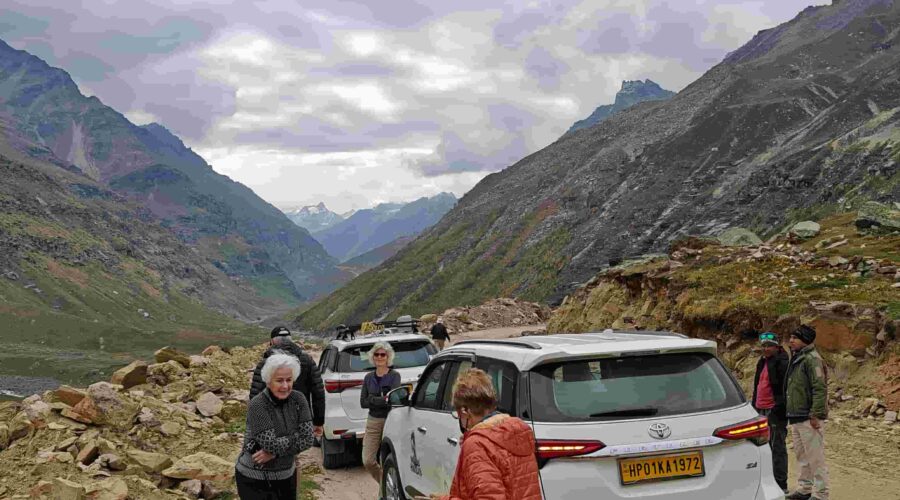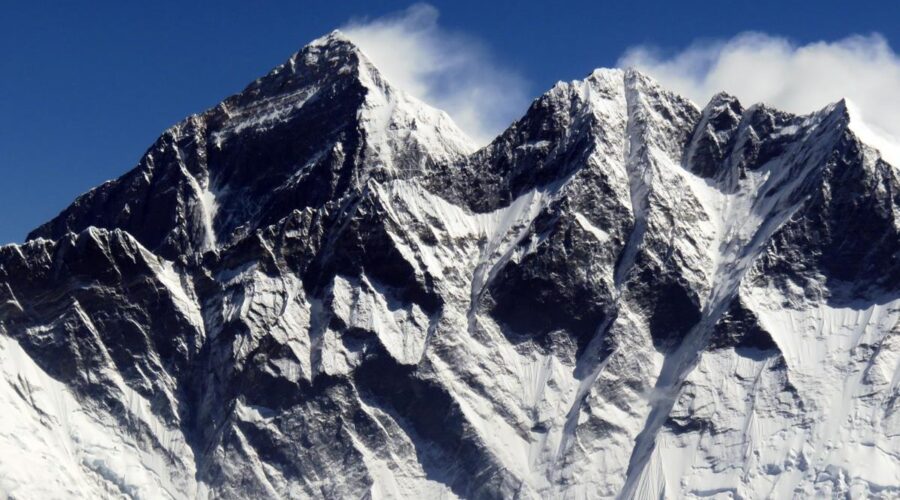
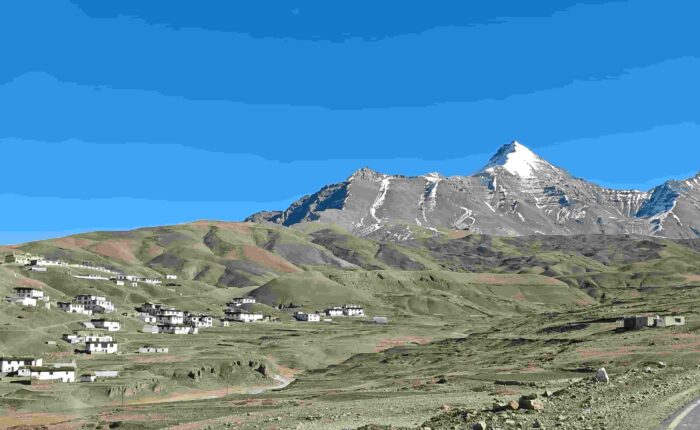
The Kanamo Peak Expedition India is one of the most rewarding 6000-meter Himalayan climbing experiences for global mountaineers. This non-technical climb in Spiti Valley offers big-mountain views and a safe path for beginners and intermediate climbers. Located near the village of Kibber, Kanamo Peak (5,970 m / 19,586 ft) is often called “the easiest 6000er in India” yet it delivers a true high-altitude challenge.
The expedition begins in Kaza and follows a carefully planned acclimatization schedule. You trek through remote Spiti villages, high meadows, and rugged Himalayan terrain. Along the way, climbers learn essential skills such as crampon movement, ice-axe handling, roped travel, and winter safety techniques when seasonal conditions require them.
This Kanamo Peak Expedition India is fully guided and supported. Our certified UIAA/IMF instructors provide safety planning, backup gear, and reliable logistics throughout the climb. The summit offers breathtaking 360° views across the Spiti, Kinnaur, and Trans-Himalayan ranges, including peaks like Chau Chau Kang Nilda.
Perfect for aspiring mountaineers, this expedition builds confidence and prepares you for future Himalayan climbs such as Friendship Peak, Stok Kangri, and Mentok Kangri.
HIGHLIGHTS:
⭐ Summit a 6000-meter Himalayan peak in Spiti Valley
⭐ Ideal beginner-friendly, non-technical ascent
⭐ Gradual acclimatization with hikes around Kaza and Kibber
⭐ Learn essential mountaineering skills and safety techniques
⭐ Panoramic views of Spiti and Kinnaur mountain ranges
⭐ Scenic high-altitude campsites surrounded by dramatic terrain
⭐ Fully guided expedition with certified instructors and support team
⭐ Great preparation for higher Himalayan peaks





Altitude: 300 m
Travelling Time: 15-20 (To Hotel)
Trekking Time: None
Arrive at Delhi’s Indira Gandhi International Airport and transfer to your comfortable 4-star hotel. This first day is intentionally relaxed, giving you time to unwind after long flights, adjust to India’s climate, and settle into the rhythm of the journey. You can stroll around the hotel area, enjoy a warm meal, or simply rest. In the evening, meet your expedition team for a brief orientation outlining the upcoming adventure into the Himalayas. Overnight stay in Delhi.
Altitude: 2,050 m
Altitude Gain: +1,750 m
Travelling Time: Flight 1 hr 20 min + Drive 2 hrs
Begin your Himalayan approach with a scenic flight from Delhi to Kullu, offering your first glimpse of the mountains from the air. From Kullu, enjoy a peaceful drive along the Beas River to Manali, surrounded by pine forests, apple orchards, and charming Himalayan villages. Check in to your hotel and take the afternoon to rest or explore Manali’s vibrant markets and cafés. This day serves as a gentle start to help your body begin adapting to higher elevations. Overnight in Manali.
Altitude: 3,800 m
Altitude Gain: +1,750 m
Travelling Time: 7–8 hrs
Trekking Time: None
Today’s journey takes you deep into the mountains as you cross the famous Atal Tunnel and enter the dramatic high-altitude desert of Lahaul Spiti. The landscape transforms rapidly from green pine forests to barren, windswept valleys carved by ancient rivers. The drive is long but incredibly scenic, with towering cliffs, unique rock formations, and wide-open skies. Arrive in Kaza by late afternoon, check into your accommodation, and take it easy to allow your body to adjust to the elevation. Overnight in Kaza.
Altitude: 4,270 m
Altitude Gain: +470 m
Travelling Time: 45–60 min
Trekking Time: 1–2 hrs (easy walk)
After breakfast, take a short but beautiful drive to Kibber, one of the highest inhabited villages in the world. Spend the day acclimatizing with an easy guided walk through the village and its surroundings. You may visit the incredible Chicham Bridge, which spans Asia’s highest gorge, offering spectacular panoramic views. This day focuses on gentle movement, hydration, and adjusting to the thinner air. Enjoy the peaceful atmosphere of Kibber and take in the unique Spiti Valley culture. Overnight stay in Kibber.
Altitude: 4,270 m
Altitude Gain: Minimal
Altitude Loss: Minimal
Trekking Time: 1–2 hrs (light walk)
A full acclimatization day in Kibber greatly improves your chances of a safe and successful summit. You’ll take short acclimatization hikes on nearby ridges, enjoy wide mountain views, and experience the quiet rhythm of high-altitude village life. The guides will monitor your oxygen levels, hydration, and overall readiness for the climb ahead. Use this time to rest, explore, and let your body adjust naturally. This day is essential for safety, comfort, and strong performance during the summit push. Overnight in Kibber.
Altitude: 4,830 m
Altitude Gain: +560 m
Travelling Time: None
Trekking Time: 5–6 hrs
Begin your ascent toward Kanamo Basecamp on a trail that winds through meadows, loose rock, and open high-altitude terrain. The trek is steady, giving you time to adapt to the decreasing oxygen levels while absorbing sweeping views of the Spiti Valley. As you climb higher, the landscape becomes increasingly dramatic and remote. Reach basecamp by afternoon and settle into your expedition tents. After resting, attend a detailed safety and gear orientation with your technical team. Overnight at Basecamp.
Altitude: 4,830 m
Altitude Gain: Minimal
Altitude Loss: Minimal
Trekking Time: 1 hr (short walk)
Today is dedicated entirely to acclimatization and preparation for the summit. At nearly 4,900 meters, your body needs time to stabilize before the big climb. Take a short, slow-paced acclimatization walk with guides and rest for most of the day. Your technical team will check your gear, review the summit strategy, demonstrate snow and scree techniques, and brief you on pacing and hydration. Sleep early for the pre-dawn summit attempt. Overnight at Basecamp.
Altitude (Summit): 5,970 m
Altitude Gain: +1,140 m
Altitude Loss: –1,140 m
Trekking Time: 10–12 hrs
Start the summit push well before sunrise, trekking under starlit skies as the mountains gradually light up with dawn. The climb involves steep scree, loose gravel, and snow patches, requiring steady pacing and focus. As you approach the summit, breathtaking views of Spiti, Kinnaur, and Ladakh unfold in every direction. Celebrate your achievement at nearly 6,000 meters before descending carefully back to basecamp. Enjoy a warm rest and a well-earned meal after completing this demanding but unforgettable day.
Altitude: 3,800 m
Altitude Gain: + (minimal during trek)
Altitude Loss: –1,030 m (from 4,830 m to 3,800 m)
Travelling Time: 1 hr drive
Trekking Time: 2–3 hrs
Begin your descent from Kanamo Basecamp toward Kibber, following familiar high-altitude trails that now reward you with sweeping morning views of Spiti’s rugged terrain. The easy yet steady descent allows you to recover from the summit push while enjoying the open landscapes and silence of the mountains. From Kibber, board your vehicle and drive to Kaza, the cultural heart of Spiti Valley. Arrive by late afternoon, check in to your accommodation, and enjoy a relaxed evening in this charming high-altitude town.
Altitude: 2,050 m
Altitude Gain: + 751 m (Kunzum La)
Altitude Loss: –1,750 m (3,800 m → 2,050 m)
Travelling Time: 7–8 hrs
Trekking Time: None
Leave Kaza after breakfast and begin the long, scenic drive back to Manali. The journey takes you through classic Spiti landscapes—towering cliffs, winding riverbeds, and vast high-altitude plateaus—before gradually re-entering the greener valleys of Lahaul. Cross the iconic Atal Tunnel once again and feel the dramatic shift from cold desert to pine forests and flowing rivers. Arrive in Manali by late afternoon and check in to your hotel for a warm, comfortable evening of rest after days of high-altitude travel.
Altitude: 300 m
Altitude Loss: –1,750 m
Travelling Time: Drive 7–8 hrs + Flight 1 hr
Leave Manali after breakfast and begin the scenic drive through the Himalayan foothills to Chandigarh. The road gradually descends through forests, river valleys, and small hill towns. Upon reaching Chandigarh Airport, catch your flight back to Delhi. Check in to your 4-star hotel and relax after a long travel day. This buffer night ensures smooth onward travel and helps avoid missed connections due to unpredictable mountain weather. Overnight in Delhi.
Travelling Time: 15-20 min to Airport
After breakfast, transfer to Delhi International Airport for your flight home. This marks the end of your Kanamo Peak Expedition—an incredible journey through Spiti’s ancient landscapes, high villages, and the unforgettable achievement of summiting a 5,970-meter Himalayan peak. Leave with memories, friendships, and a deeper connection to the Himalayas.
Arrival at Tribhuvan International Airport (TIA). Kathmandu, Nepal.
Departure From Tribhuvan International Airport (TIA). Kathmandu, Nepal.
Airport pick-up and drop-off in Kathmandu
3-star hotel accommodation in Kathmandu (twin sharing, breakfast included)
Lodge/teahouse accommodation during trek and tented camping at Island Peak Base/High Camp
All meals during trekking and climbing (breakfast, lunch, dinner, tea/coffee)
Domestic flights Kathmandu–Lukla–Kathmandu
Professional climbing guide (IFMGA/UIAGM certified) and Sherpa support staff
Porters for luggage (15 kg per client)
Climbing permits for Island Peak and Sagarmatha National Park fees
Group climbing gear: ropes, ice screws, tents, stoves, and cooking equipment
First aid kit and emergency oxygen at High Camp
Farewell cultural dinner in Kathmandu
International flights to/from Nepal
Nepal entry visa fees
Travel insurance with emergency evacuation (mandatory)
Personal climbing gear (available for rent in Kathmandu)
Extra meals in Kathmandu beyond the itinerary
Alcoholic beverages, bottled water, and soft drinks
Tips and gratuities for guides, porters, and staff
Expenses due to flight delays, weather, or natural causes
Rental gear available at: Into Wild Himalaya Shop
Valid passport, Nepal visa, and permits (kept waterproof)
Mountaineering boots (double boots recommended for summit)
Crampons compatible with boots
Climbing harness, helmet, and ascender/descender devices
Ice axe and trekking poles
Thermal base layers (tops and bottoms)
Down jacket and insulated trousers
Waterproof and windproof shell jacket/pants (Gore-Tex preferred)
Warm gloves (inner + insulated outer mittens)
Woolen hat/beanie and buff/neck gaiter
Sunglasses with UV400 protection & glacier goggles
Sleeping bag (-20°C comfort rating)
Personal first aid kit and prescription medication
Sunscreen SPF 50+ and lip balm with SPF
Hydration system (CamelBak + water bottles)
Energy snacks, gels, and electrolyte mixes
Backpack (50–65 L) and small daypack (20–30 L)
Headlamp with extra batteries
Power bank/solar charger
Toiletries, wet wipes, and biodegradable soap
Lightweight sandals or camp shoes
Travel adaptor (Type C/D/M for Nepal)
1. Trauma & Wound Care
• Hemostatic gauze (QuickClot/Celox) – 2 packs
• Tourniquet (CAT Gen 7) – 1-2
• Sterile gauze pads (10+ large sizes)
• Hydrogel burn dressings (for frostbite/rope burns)
• Butterfly sutures + Steri-Strips (wound closure)
• Liquid bandage (for blisters/cracks)
2. Altitude & Severe Medications
• Dexamethasone (for HACE) – 4mg tabs (10 doses)
• Nifedipine (for HAPE) – 20mg tabs (10 doses)
• Acetazolamide (Diamox) – 125mg tabs (20 doses)
• Ibuprofen + Paracetamol (pain/fever)
• Ondansetron (severe nausea/vomiting) – 4mg tabs
• Rehydration salts (ORS) – 10 packets
3. Frostbite & Cold Injuries
• Aloe vera gel (for superficial frostnip)
• Chemical hand warmers (10+ pairs)
• Vaseline/petroleum jelly (skin protection)
4. Advanced Tools
• Portable hyperbaric chamber (Gamow bag)
• Pulse oximeter (with spare batteries)
• Digital thermometer (low-range for hypothermia)
• Syringe + IV kit (for trained medics only)
• SAM splint (for fractures)
5. Consumables & Misc.
• Surgical gloves (10 pairs, nitrile)
• CPR face shield
• Emergency blanket (foil, 2–3 units)
• Chlorine dioxide tablets (water purification)
Key Differences from Trekking Kits:
• Altitude-specific drugs (Dexa/Nifedipine for life-threatening AMS).
• Bleeding control (tourniquets, hemostatic gauze for crevasses/rockfall injuries).
• Team redundancy: Guides carry duplicate kits in case of separation.
• Hypothermia focus (Gamow bag, low-range thermometer).
Pro Tips for Climbers:
• Divide supplies between climbers (never all in one pack).
• Label medicines clearly with dosages/use cases (altitude drugs confuse many!).
• Pre-trip medic training (e.g., IV use, HAPE/HACE identification).
More than 30 days before your trip: 90% refund
15–30 days before: 50% refund
7–14 days before: 25% refund
Less than 7 days or no-show: No refund
Custom/private trips: Booking advance is non-refundable. Last-minute changes are subject to availability and costs.
For more details on our cancellation policy, please refer to the following link:
https://iwhexpeditions.com/cancellation_policy/