School Survival Trek to Serolsar Lake – Student Himalayan Expedition, India
The School Survival Trek to Serolsar Lake is a unique Himalayan learning adventure designed for school groups seeking outdoor education, teamwork, and essential survival skills. Over four days, students trek through dense pine and deodar forests, navigate scenic mountain trails, and learn key wilderness techniques under professional supervision.
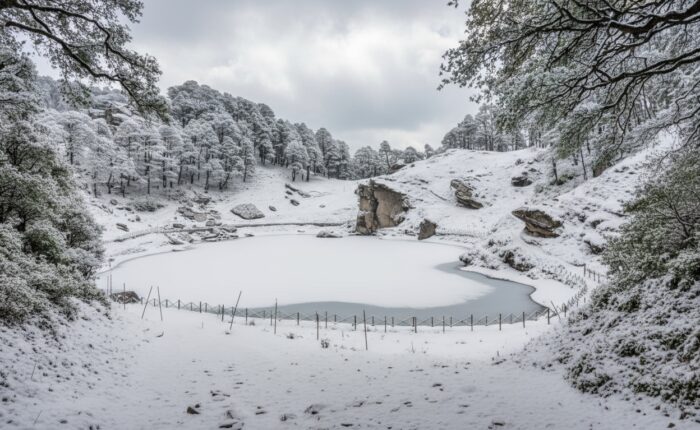
Beginning at Jalori Pass, the route offers gradual ascents ideal for young trekkers. Students practice backpack management, fire-making, navigation basics, campsite setup, and Leave No Trace principles. The journey culminates at Serolsar Lake (3,120 m) a serene high-altitude lake known for its crystal-clear waters and the sacred Budhi Nagin temple.
This trek combines physical challenge with experiential learning, helping students develop confidence, environmental awareness, teamwork, and a lifelong appreciation for the outdoors.
HIGHLIGHTS
⭐ Trek through pine and deodar forests with rich birdlife
⭐ Ideal for school groups—moderate difficulty and safe trail design
⭐ Visit 360° Viewpoint with views of Pir Panjal & Greater Himalayas
⭐ Explore the serene Serolsar Lake and Budhi Nagin temple
⭐ Learn survival skills: backpacking, fire-making, navigation & LNT ethics
⭐ Camp near the lake and experience team-building in nature
⭐ Begin from Jalori Pass with panoramic Himalayan scenery
Pick up from New Delhi airport
8:00 am: Arrival at Camp Tirthan, tent allocation, and breakfast.
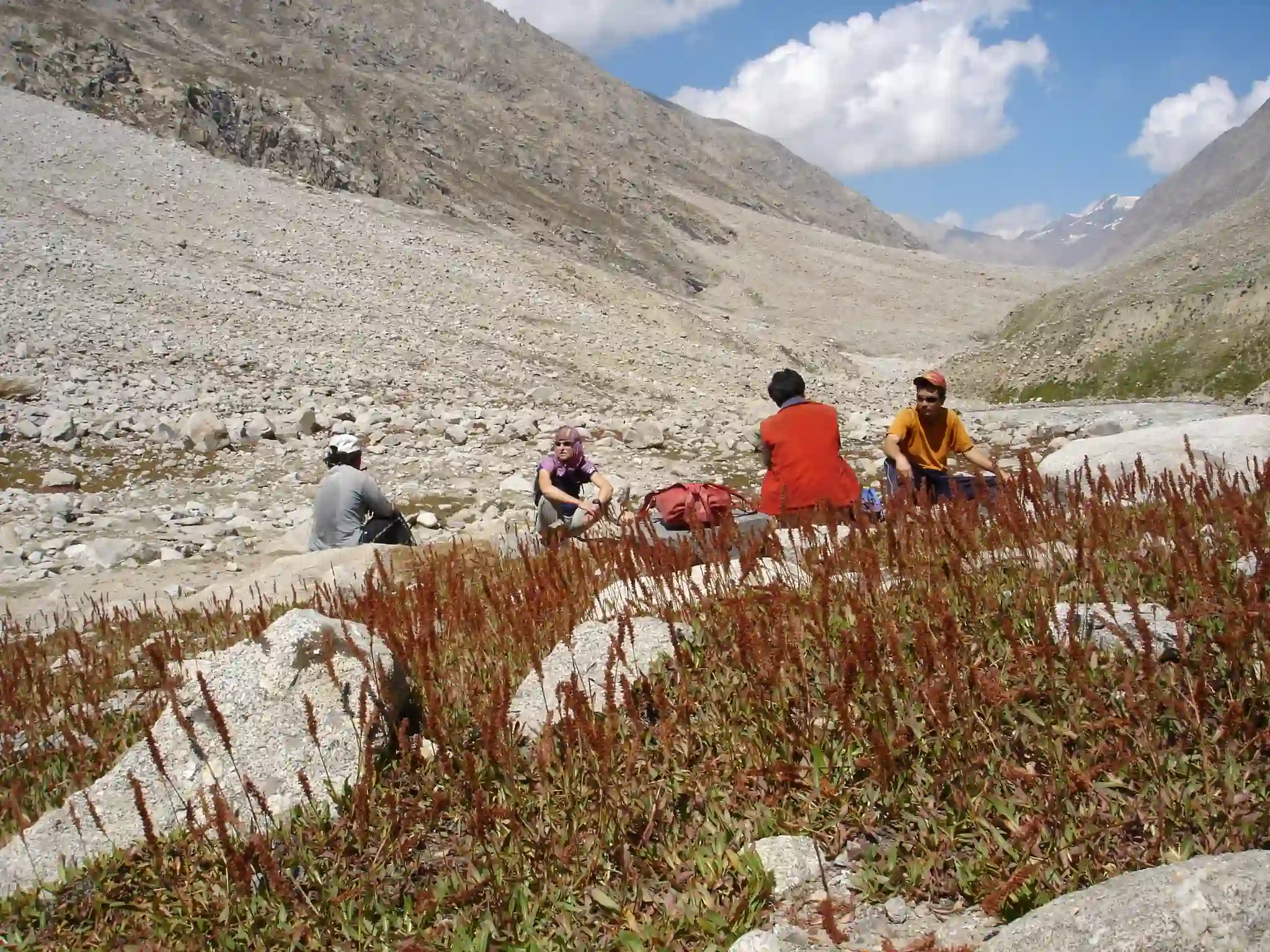
Camp Tirthan lies on the edge of Great Himalayan National Park, known for its pristine river, scenic slopes, and Himalayan rainbow trout.
8:45 am – 10:15 am: Emergency evacuation drill and ice-breaking activities. Students set learning norms and share program expectations. Introduction to the module focusing on mountain rivers and snow survival.
10:30 am – 12:30 pm: Orientation and mountain survival basics, including managing personal kits and hiking skills. Introduction to Leave No Trace wilderness ethics.
12:30 pm – 1:30 pm: Lunch at camp.
1:30 pm – 5:30 pm: Afternoon hike along Tirthan River. Practical session on river features, current, and crossing techniques including rope bridges, buddy system, and different river crossing methods (floating, handrail, eddy position). Skills in group safety and river rescue are practiced.
5:30 pm – 6:30 pm: Tea, snacks, and free time.
6:30 pm – 7:30 pm: Personal reflection and group sharing focused on positive learning environments and individual strengths.
7:30 pm – 8:30 pm: Dinner around the campfire with fun games.
9:00 pm: Retire to tents for the night.
7:30 am – 8:00 am: Breakfast.
8:30 am – 11:00 am: Wilderness survival basics. Students learn backpack packing and fire-making skills—engaging in building their own fire while understanding fire safety and Leave No Trace principles. Preparation for a two-night expedition to Sarolsar Lake, a serene, high-altitude natural lake near Jalori Pass with cultural significance.
11:00 am – 12:00 pm: Drive to Ghyagi village, the trek starting point.
12:00 pm – 5:00 pm: Trek to Banala camp along a gentle trail beside the Banala stream. Lunch en route. The camp lies at the base of the final ascent to Sarolsar Lake.
5:30 pm – 6:30 pm: Settle at camp, pitch tents, collect firewood, and do a wellness check.
6:30 pm – 8:30 pm: Dinner preparations and campfire reflections focusing on empathy and care. Students journal personal reflections on caring and helping others.
Overnight: Alpine tents.
6:30 am – 8:30 am: Wake up, break camp following Leave No Trace (LNT) principles, and breakfast.
8:30 am – 1:00 pm: Trek to Sarolsar Lake (~4 km). The trail involves crossing narrow streams and moderate snow patches. The view opens up dramatically near the crest, revealing the stunning Sarolsar Lake surrounded by snow-covered mountains.
1:00 pm – 5:00 pm: Arrival at Sarolsar Lake. After a hot lunch, students set up camp, rest, and explore the lake area. A health check and sharing of any concerns follow.
5:00 pm – 6:00 pm: Personal reflection and group sharing over hot tea/coffee. Students journal about challenges faced and coping strategies.
6:00 pm onward: Dinner preparation with camp staff. Overnight in alpine tents.
6:00 am – 7:00 am: Wake up, break camp following Leave No Trace (LNT) principles, and light breakfast.
7:00 am – 8:00 am: Gradual walk on a broad trail with some snow patches to Jalori Pass (approx. 3120 meters altitude). Students board waiting vehicles here for the drive to Tirthan Camp.
9:30 am – 10:30 am: Arrival at Camp Tirthan. Freshen up, pack, and have breakfast.
10:30 am – 11:00 am: Formal program closure with appreciation and key learning sharing.
11:00 am – 1:30 pm: Free time for packing and lunch.
1:30 pm: Departure from Camp Tirthan to onward destinations. Trip ends.
Mountain Guide:Mountaineering qualified and First Aid Responder.
A Cook:Who can make Indian, Chinese, Italian food.
Helpers:To help the cook.
Horses:To carry the equipment and food.
All Equipment:Tents, mattresses, sleeping bags, kitchen tents, toilet tents, dinning tent and all kitchen utensils.
Food:Breakfast, lunch, tea/snacks, soup, dinner.
Accommodation: Tents (twin sharing basis).
Transportation:For start and finish of the trek and wherever it is required in the programme.
First aid kit and Oxygen Canister: For in case of emergency.
Package Price does not include which is not mentioned in the inclusion list.
For details on our cancellation policy, please refer to the following link:
https://iwhexpeditions.com/cancellation_policy/