About the Spiti Kinnaur Valley Cultural Road Trip
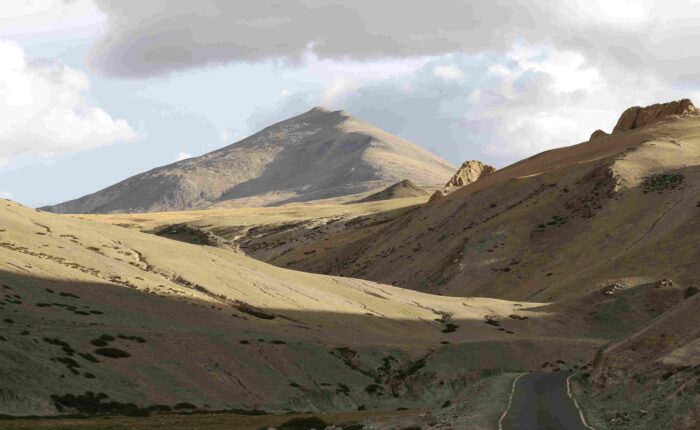
Embark on the Spiti Kinnaur Valley Cultural Road Trip, a 14-day adventure through the Indian Himalayas. Travel from Shimla to Manali via Kinnaur and Spiti, crossing ancient trade routes and high mountain passes reaching 4,450 meters.
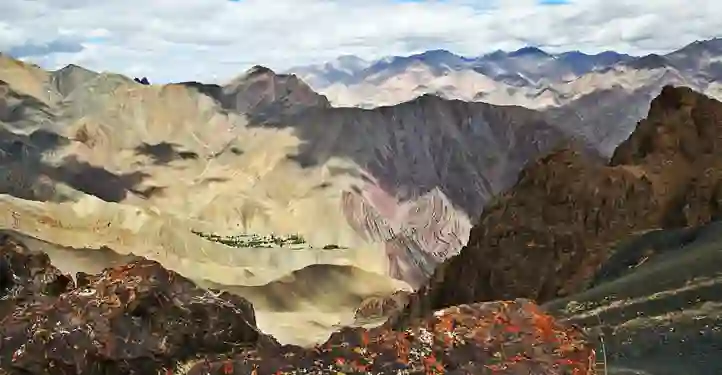
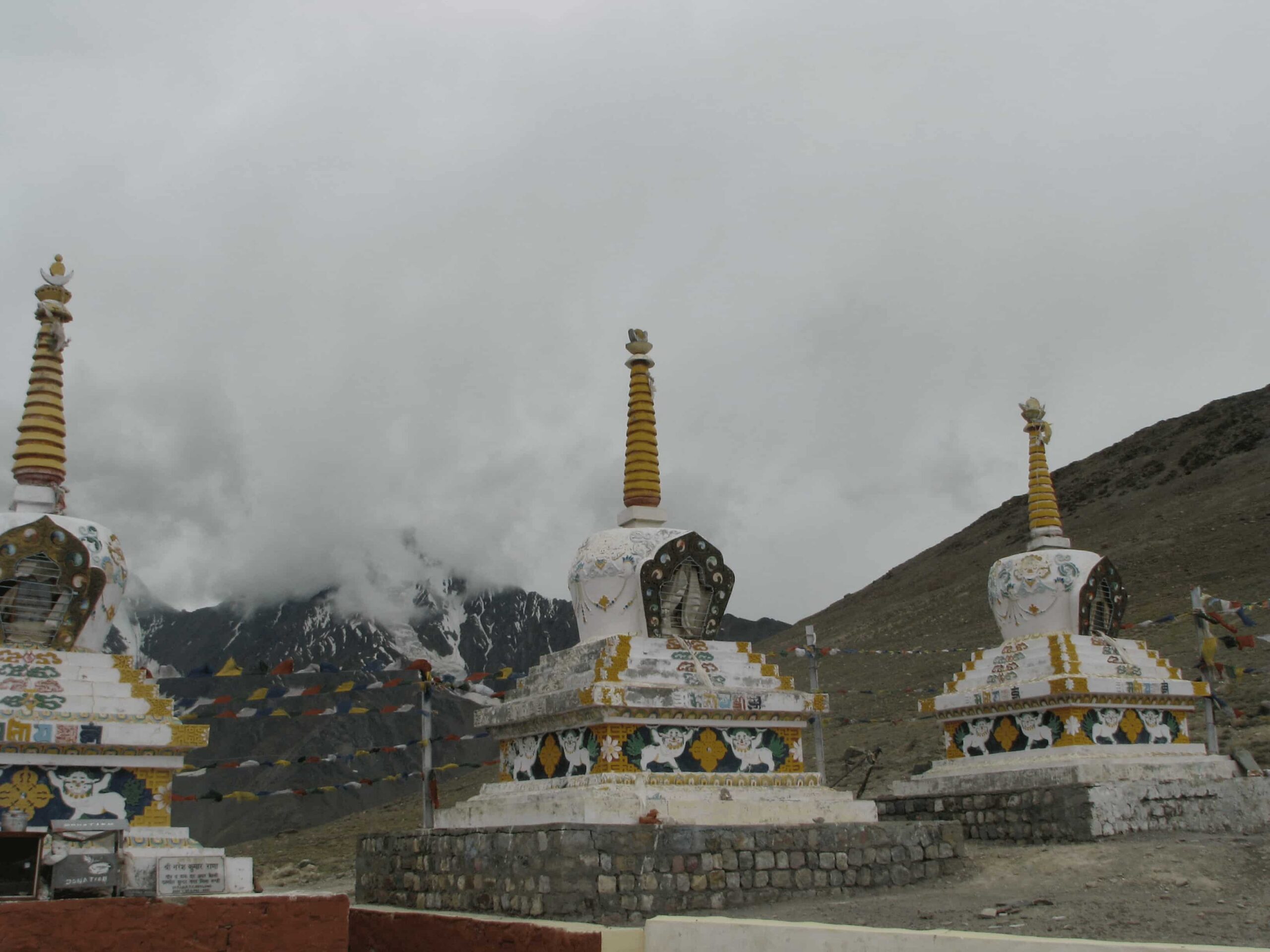
Experience Buddhist monasteries, remote villages, and breathtaking desert valleys that showcase the heart of Himalayan culture. Visit Tabo, Key, and Dhankar Monasteries, known for their timeless art and spiritual depth.
This guided journey blends comfort and adventure with private vehicles, expert guides, and full board stays. Each day reveals vibrant traditions, prayer flags fluttering in the wind, and welcoming locals who share their mountain life stories.
Join us for a once in a lifetime road trip where culture meets adventure and every mile immerses you deeper into the majestic Spiti and Kinnaur Valleys.
HIGHLIGHTS:
Explore ancient monasteries at Tabo, Key, Dhankar, and Nako
Visit local homes and taste authentic Himachali cuisine
Witness the daily rhythm of Kinnauri villages & apple orchards
Capture landscapes at Chandratal, Kaza, and Komic — among the world’s highest inhabited villages
Learn Buddhist traditions from monks and artisans
Pick up from New Delhi airport
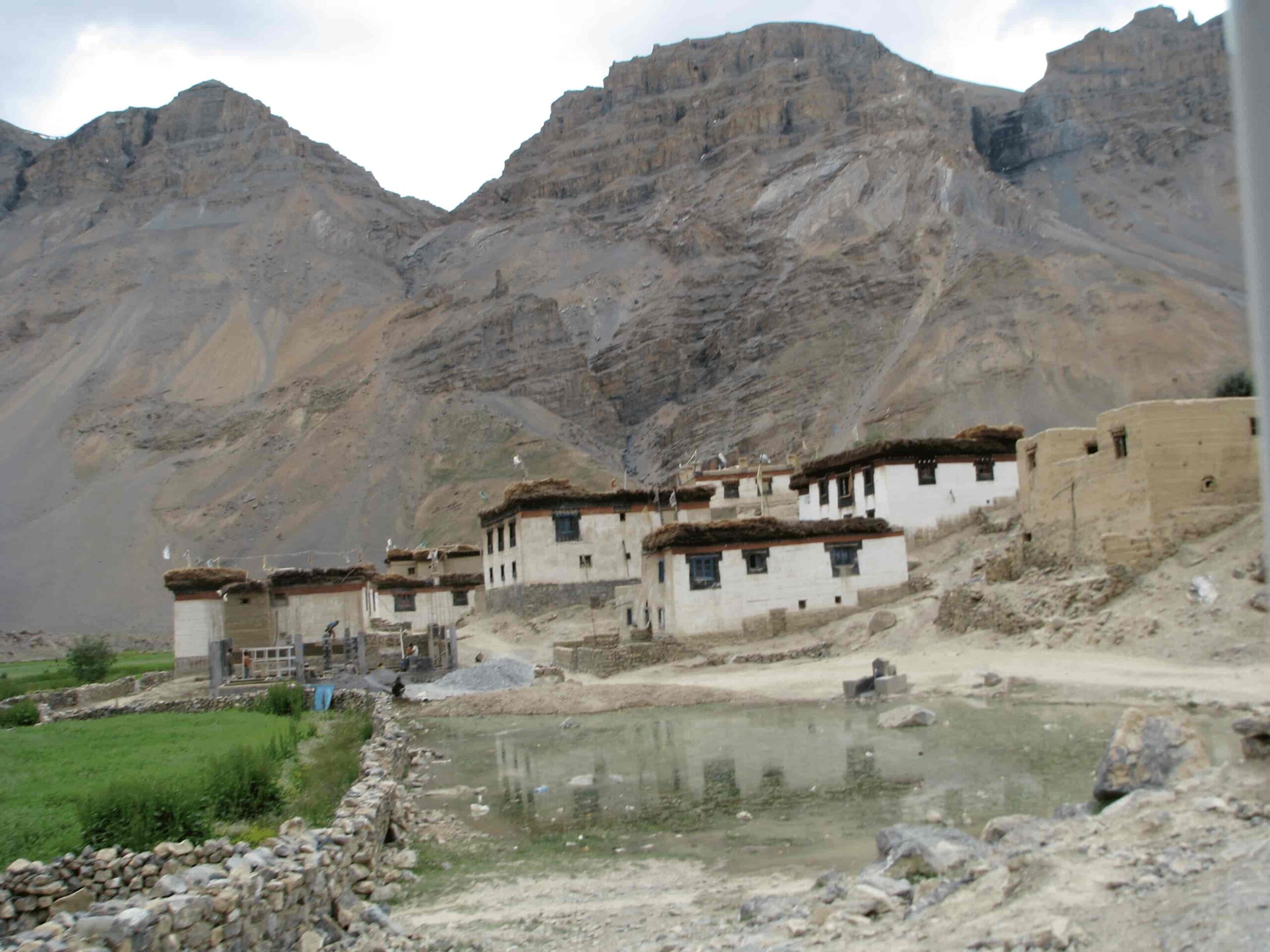
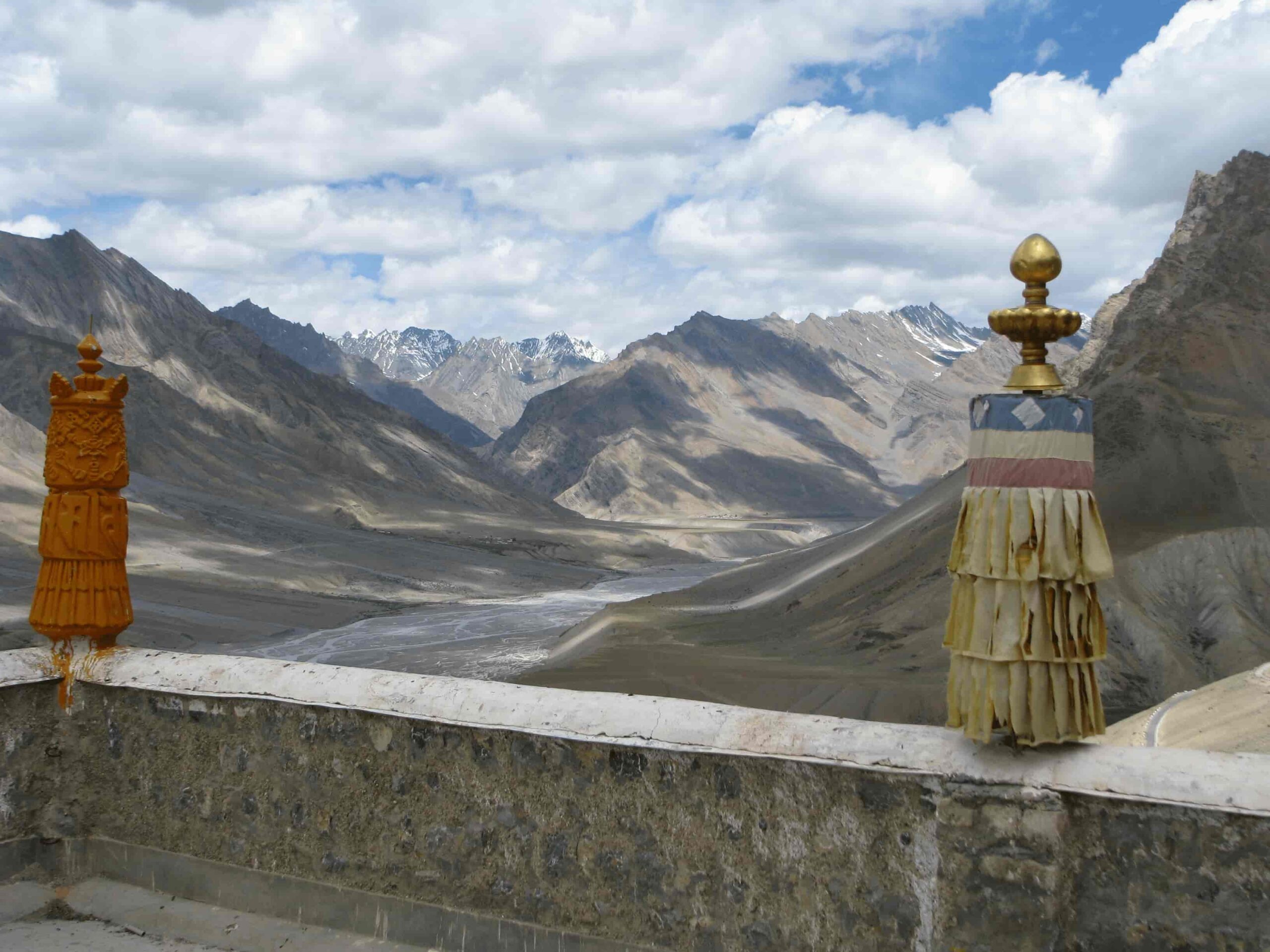
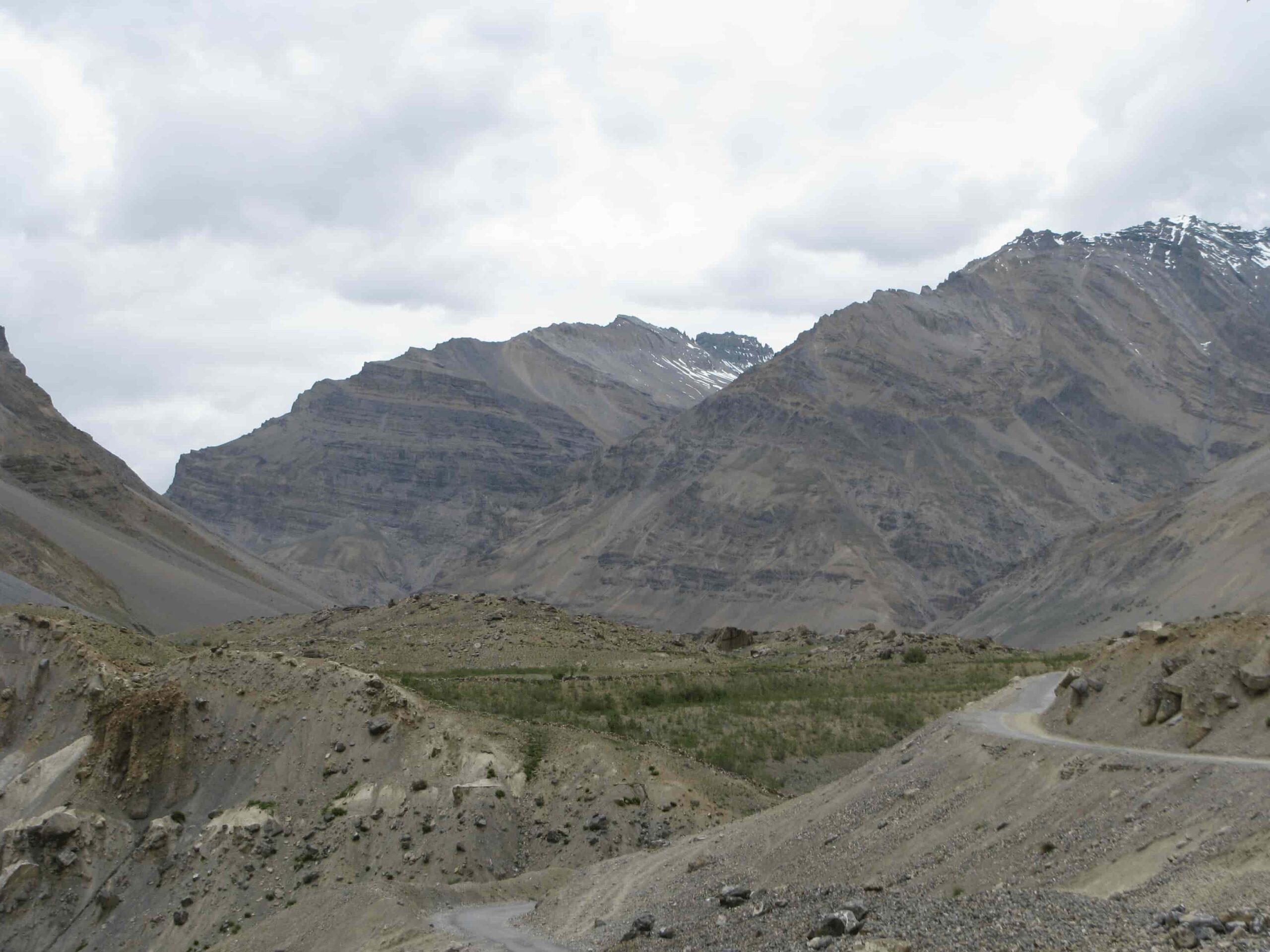


Upon arrival at airport, you will be met by a IWH representative to transfer you to the hotel. Once checked in, the rest of the day will be spent at leisure; relaxing in the hotel or can explore local surroundings independently. Overnight stay in hotel.
After a wholesome breakfast, the day will be spent visiting India Gate, President House and Bangla Ji Sahib Temple. Once we have had lunch in a chosen restaurant, at 4.30pm we will take a taxi to get to our pickup point in Majnu Tilla ready for our overnight coach journey to Manali. Dinner will be en route. Overnight coach journey.
We will be arriving in Manali around 7-8am where we will be transferred to our IWH Camp which is situated on the Beas River. It is around a 12 minute walk from the main road but the walk is pleasant surrounded by beautiful plum & apple orchards. Upon arrival in the camp, tents will be allocated accordingly followed by freshly cooked breakfast. After breakfast, you will be given the chance to freshen up and take rest until lunch. Lunch is served at 1pm. After lunch, we will take you to visit the mall in Manali. We will return back to camp in the evening where dinner will be served along with a bonfire. Overnight stay in camp.
Travelling Time: 3-4 hours
After breakfast, we will start our journey to Spiti Valley. Tirthan Valley will be our destination for staying the night. It is a famous fishing area, located next to Great Himalayan National Park. We will reach our IWH Tirthan Camp for lunch followed by a walk to Choi Waterfall. It is a gradual walk through small Himalayan villages. After sightseeing around Tirthan, we will return to camp and spend the evening eating freshly cooked dinner and enjoying the bonfire. Overnight stay in camp.
Altitude: 2313 m / 7588 ft.
Travelling Distance: 180 km approx.
Travelling Time: 6-7 hours
After breakfast, we will begin our journey to Sarahan – a remote mountain village and gateway to Kinnaur Valley. It is home to one of the famous Hindu/Buddhist temple called Bhimakali Temple. It is within a beautiful location of snow-capped peaks and mountains. We will reach Sarahan later in the day and check into a guest house. Overnight stay in guest house.
Altitude: 2710 m / 8891 ft.
Travelling Distance: 95 km approx.
The destination for today is to reach Sangla – a beautiful village located along the Baspa River. Once in Sangla, you will be able to capture a picturesque view of Kinner Kailash Peak (6500 m). In Sangla, we will visit Kamru Fort which is a famous old fort in Himachal Pradesh. Overnight stay in guest house.
Altitude: 3450 m / 11318 ft.
Travelling Distance: 60 km approx.
We will be visiting a small village called Chitkul which is found on the banks of Baspa River. It is the last inhabited village near the Indo/China border. Again, you will be able to witness the majestic snow-capped peaks of Kinnaur. After spending some time in Chitkul, we will return to Sangla where we will stay the night in the guest house.
Altitude: 3662 m / 12,014 ft.
Travelling Distance: 180 km approx.
After breakfast, we will commence our journey to Nako Village. Please note: Foreign tourists are required to have an inner line permit in order to visit areas past Kalpa. En route, we will visit Khab Village (2438 m) where you will be able to see the confluence of Spiti & Sutlej River. Later we will then drive to Nako Village. Nako is situated beside Lake Nako – a high altitude lake surrounded by lush trees.
Altitude: 3280 m / 10,761 ft.
Travelling Distance: 70 km
We will leave for Nako in the morning to head for our next destination – Tabo. It is a picturesque town in Spiti which is located on the banks of River Spiti.En route to Tabo we will be crossing the Malling Nallah. It is a major water crossing, followed by mountainous roads. Upon arrival in Tabo, we will visit the famous Tabo Monastery, which is where the 14th Dalai Lama held the Kalachakra ceremonies. Overnight stay in guest house.
Altitude: 3650 m / 11,975 ft.
Travelling Distance: 70 km
We will be spending the day travelling towards Kaza. En route we will visit Dhankar Monastery (3894 m). The monastery is located on the cliff of Dhankar Village which used to be the capital of Spiti.From the monastery you will have a beautiful view of the confluence of Spiti and Pin River. Once ready we will then continue our drive to Kaza. Kaza is the sub-divisional headquarters ofSpiti Valley; it is the largest town and commercial center of the valley. Overnight stay in guest house.
Altitude: 4270 m /14,009 ft.
Travelling Distance: 50 km
After breakfast we will be visiting Ki Monastery (4166 m) which is located on a hilltop nearby Spiti River. It is the largest Buddhist Monastery in Spiti. It was founded in 11th Century and it is also home to religious training for Lamas (monks). After, we will visit a high inhabited village called Kibber(4270m). It is home to Kibber Wildlife Sanctuary and monastery. It is a small village with houses painted in white with red rooftops. After spending sometime in Kibber we will then return back to Kaza for our overnight stay in guest house.
Altitude: 4590 m / 15,059 ft.
Travelling Distance: 100 km
In the morning after breakfast we will be leaving Kaza and head towards Chandra Taal (4220 m). En route we will be crossing over a high mountain pass called Kunzum La which connects Kullu and Lahaul Valley with Spiti. After this pass we will be heading for Chandra Taal which means Lake of the Moon. We will be reaching a point where vehicles can no longer proceed. We will then trek to the lake. Upon arrival you will be able to walk around the lake. After we will head back to reach our camp for the night where you can then relax for the evening. Overnight stay in camp.
Altitude: 3979 m / 13,054 ft.
Travelling Distance: 125 km
We will heading off early in the morning ready for our long journey back to Manali. The road conditions can be quite challenging as we will also be expected to cross over water at some points. Although the road conditions are challenging, it is worth it as the landscapes are breathtaking. We will be driving along the Chandra River. Once we reach in Gramphoo, we will then take the Leh-Manali highway and drive towards Rohtang La (3979 m) which is a famous high mountain pass. This road closes in the winter due to heavy snowfall. After Rohtang La, we head towards Manali which again the landscape changes in comparison to Lahaul and Spiti Valley. Upon arrival, you will be checked into a hotel for the night.
After breakfast, we will spend the day sightseeing around Manali. You will be able to visit Hadimba Temple which is an ancient cave temple surrounded by lush cedar forest. It is a famous temple in Manali and it is visited by many tourists annually. We will then drive to Naggar where you can visit Naggar Castle. It is run as a heritage hotel built by Raja Sidh Singh of Kullu. Also in Naggar, you can visit the famous Nicholas Roerich Art Gallery. Nicholas Roerich was a reputed Russian artist and the gallery houses his rare paintings. We will the head back to Manali where you can relax until it is time to catch your coach back to Delhi. Overnight coach journey.
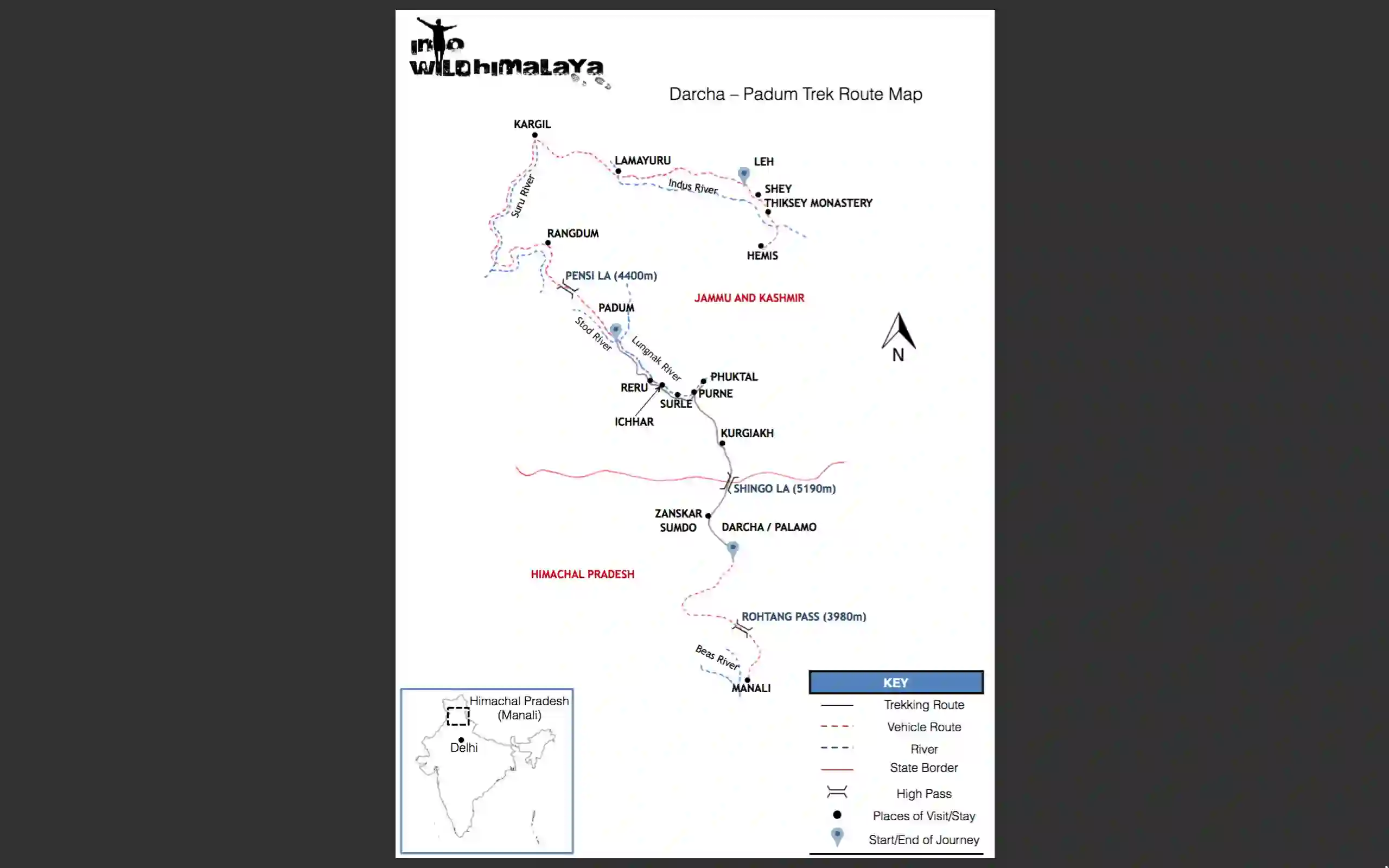
14 days / 13 nights guided road trip from Shimla to Manali via Kinnaur & Spiti
Private vehicle transport (comfortable SUV ) for the entire tour
Experienced driver and cultural guide throughout the journey
Accommodation: Hotels, guesthouses, and traditional homestays (twin sharing
All meals – breakfast, lunch, and dinner as per itinerary (full board)
All inner line permits and local entry fees
Monastery and heritage site visits including Key, Tabo & Dhankar
Evening bonfire and local cultural interaction (where conditions allow)
Filtered drinking water available throughout the journey
Medical oxygen cylinder and pulse oximeter carried in the support vehicle
All parking, tolls, and interstate taxes included
Support team for logistics and assistance at high-altitude locations
Travel insurance, evacuation costs, or personal medical coverage
Personal expenses: tips, laundry, beverages, or souvenirs
Any additional sightseeing, activities, or excursions not mentioned in inclusions
Camera fees at monasteries or heritage sites (if applicable)
Optional single-room supplement (available on request)
2–3 warm base layers (thermal tops and bottoms)
Fleece jacket or light down jacket
Heavy windproof and waterproof jacket
2–3 quick-dry T-shirts and trousers
Warm cap, gloves, and neck gaiter
Sunglasses with UV protection (polarized preferred)
Sun hat or scarf for daytime sun
Comfortable walking shoes / trekking boots (ankle-high recommended)
Flip-flops or slip-ons for evenings
Woollen socks and cotton socks (2–3 pairs each)
Small daypack (20–30L) for daily essentials
Reusable water bottle or hydration pack (avoid single-use plastic)
Headlamp or flashlight with extra batteries
Personal toiletries and towel
Biodegradable wet wipes or tissues
Power bank and universal charger
Camera / smartphone for photography
Lightweight rain poncho or umbrella
Personal snacks, dry fruits, or energy bars
Valid photo ID (passport or government ID)
Personal travel insurance documents
Printed copy of permits or booking voucher
Cash for remote area expenses (limited ATMs)
Sunglasses, sunscreen (SPF 50+), and lip balm
Notebook / journal for travel documentation
(We carry a basic medical kit, but personal medications are mandatory.)
Adhesive bandages (Band-Aids)
Crepe bandage and sterile gauze pads
Medical adhesive tape (micropore)
Antiseptic ointment or liquid (Betadine / Dettol)
Cotton roll and disposable gloves
Painkillers / anti-inflammatory tablets (Paracetamol / Ibuprofen)
Antacids and digestion tablets
Cold and cough medicine
Antihistamine (for allergies)
Motion sickness tablets (Dimenhydrinate / Avomine)
Anti-diarrheal medication (Imodium or Norfloxacin)
High-altitude sickness tablets (Diamox / as prescribed)
Personal prescription medicines with dosage notes
Rehydration salts / electrolytes (ORS)
Lip balm, sunscreen (SPF 50+), and moisturizer
Thermometer and small scissors
Insect repellent or bite cream
Eye drops (dust or dryness relief)
For details on our cancellation policy, please refer to the following link:
https://iwhexpeditions.com/cancellation_policy/