
India Is More Than a Place to Learn to Climb
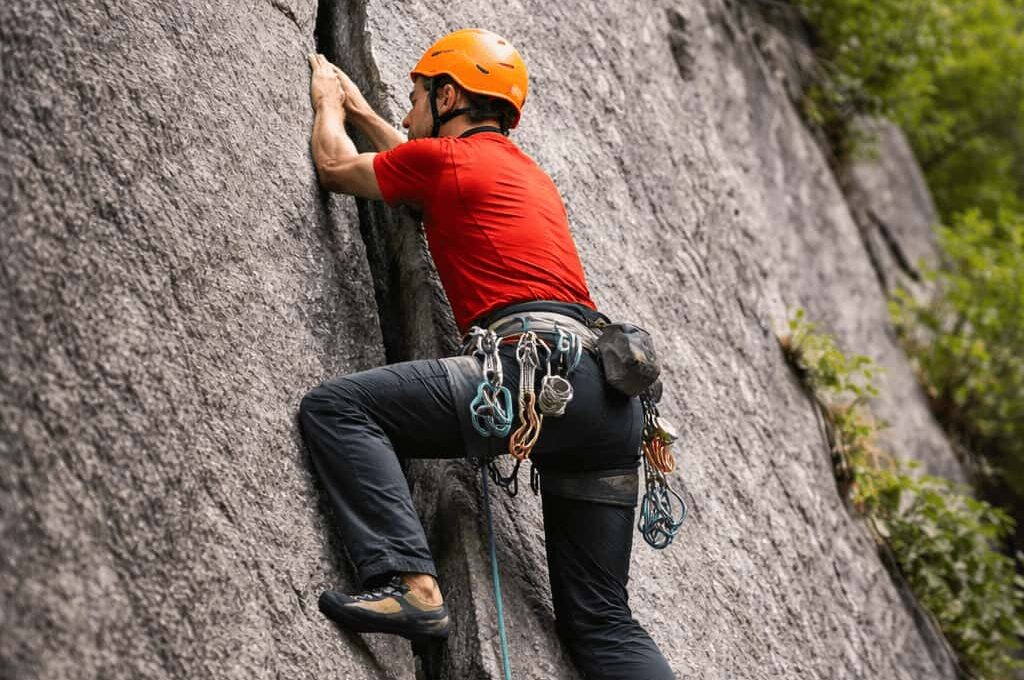
When people think about rock climbing destinations, India is not always the first country that comes to mind. Yet the Indian Himalayas contain an extraordinary variety of granite walls, mountain crags, boulders, alpine faces and remote valleys with opportunities for both established climbing and future exploration.
For a beginner, India can provide an accessible introduction to outdoor rock climbing and bouldering. For an experienced climber, it can offer technical challenges, varied rock environments and the possibility of exploring areas where climbing is still developing. And for professional climbers and route developers, some parts of the Indian Himalayas represent something even more interesting: potential for new routes, new crags and new climbing projects.
Into Wild Himalaya Expeditions has been operating in the Indian Himalayas since 2004. Our experience is not limited to taking visitors to a climbing wall or organising a standard day activity. We work across the wider Himalayan adventure environment, including climbing, trekking, mountaineering and expedition logistics.
That gives us a different perspective on rock climbing and bouldering in India. We understand that climbing is not only about the rock itself. It is also about access, approach trails, transport, accommodation, local coordination, weather, equipment, safety and understanding the valley in which the climbing takes place.
The Indian Himalayas Are a Diverse Climbing Environment
The Indian Himalayas are not one climbing destination. The geological character, altitude, climate and accessibility can change dramatically between regions.
Himachal Pradesh has a particularly diverse climbing environment, from the granite landscapes around Manali and the wider Kullu Valley to the more remote valleys of Lahaul and the high mountain landscapes of Kinnaur and Spiti. Further east and north, other Himalayan regions offer their own combinations of rock, altitude and access.
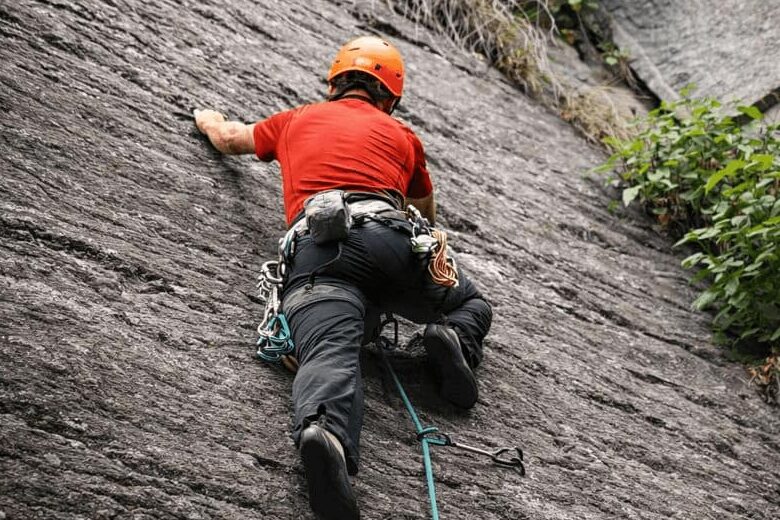
This diversity means that climbing in India can mean very different things to different people:
- A beginner may be looking for a safe introduction to outdoor climbing.
- An intermediate climber may want to develop movement and technical skills.
- An experienced climber may be interested in multi-pitch terrain.
- A boulderer may want to search for new problems.
- A professional climber may be interested in exploring an entire valley for future route development.
The Indian Himalayas can accommodate all of these ambitions when the right location and logistics are matched to the climber.
Rock Climbing in Himachal Pradesh
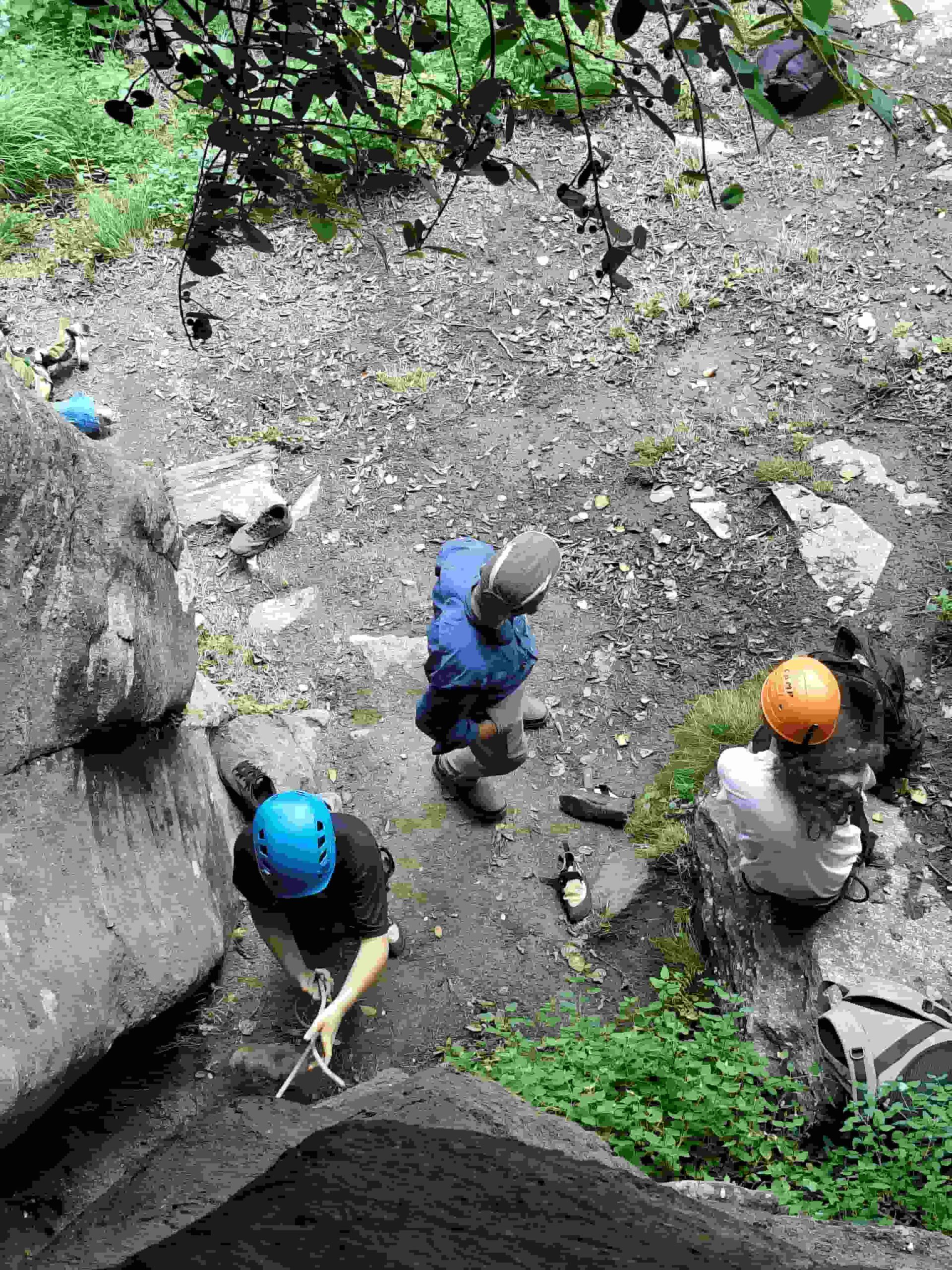
Himachal Pradesh is one of the important regions for our climbing operations. The Manali and Kullu areas provide access to a variety of outdoor adventure environments and are particularly useful for climbers who want to combine climbing with trekking, mountain travel and other Himalayan experiences. Our rock climbing sessions at Aleo in Manali are the usual starting point.
Manali and the Kullu Valley
Manali provides a practical base for accessing the surrounding Himalayan landscape. The region offers a combination of established outdoor adventure infrastructure and access to more remote mountain environments.
For a climber visiting India for the first time, this can be valuable. Accommodation, transport, guides, equipment and other logistics can be arranged from a relatively accessible mountain base before moving into more remote terrain. Our riverside camp in Manali is often used as that base.
For visitors who want to combine activities, Manali also provides access to trekking, mountain biking, ice climbing and other Himalayan adventure experiences. This makes the region particularly suitable for travellers who want a broader mountain programme rather than a climbing-only trip.
Bouldering in the Indian Himalayas
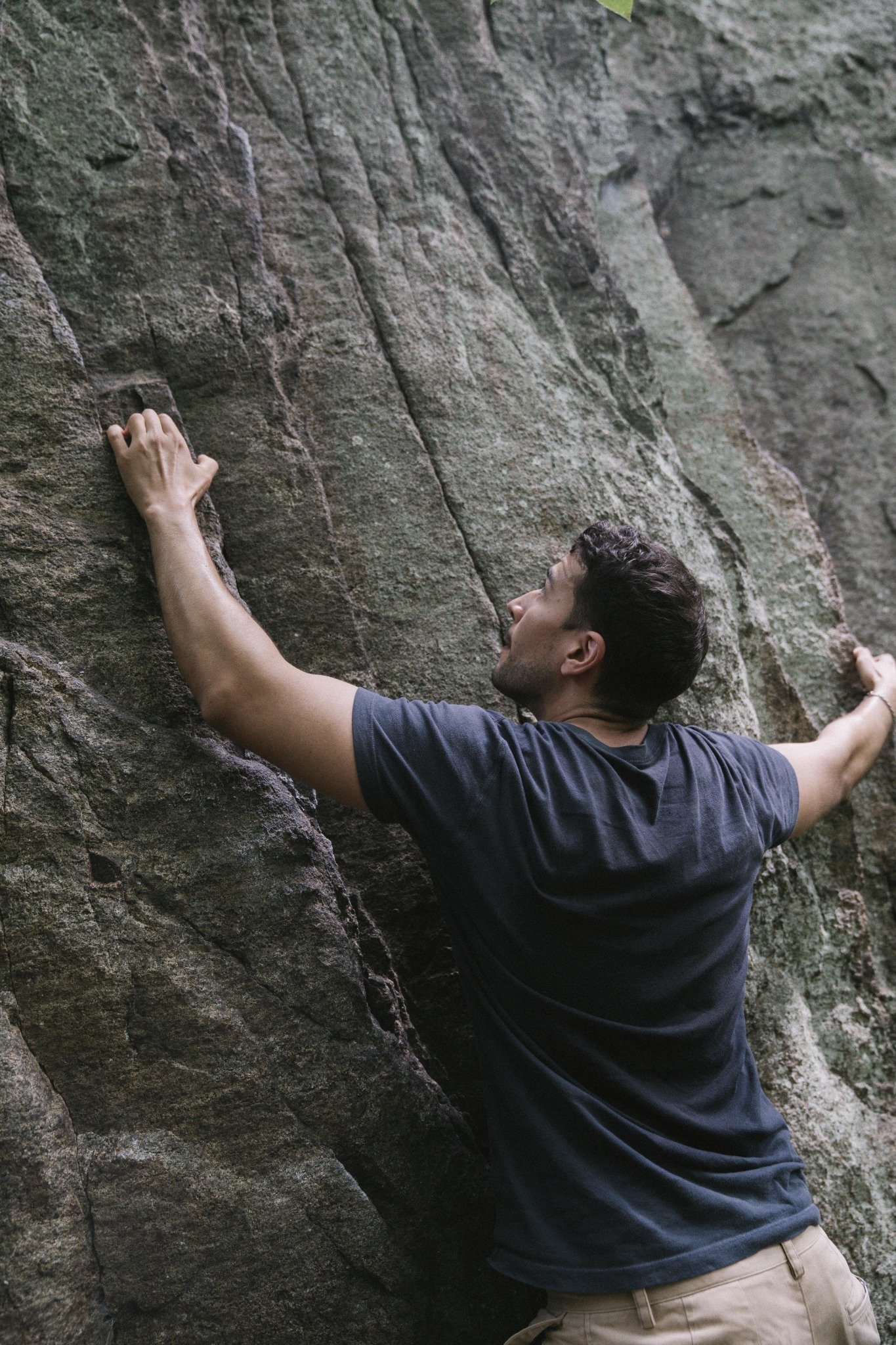
Bouldering deserves to be considered separately from traditional rock climbing. It requires less equipment than roped climbing, but finding worthwhile bouldering terrain depends heavily on local knowledge. The quality of the rock, landings, access, weathering, vegetation and existing problems all influence whether a location has genuine bouldering potential.
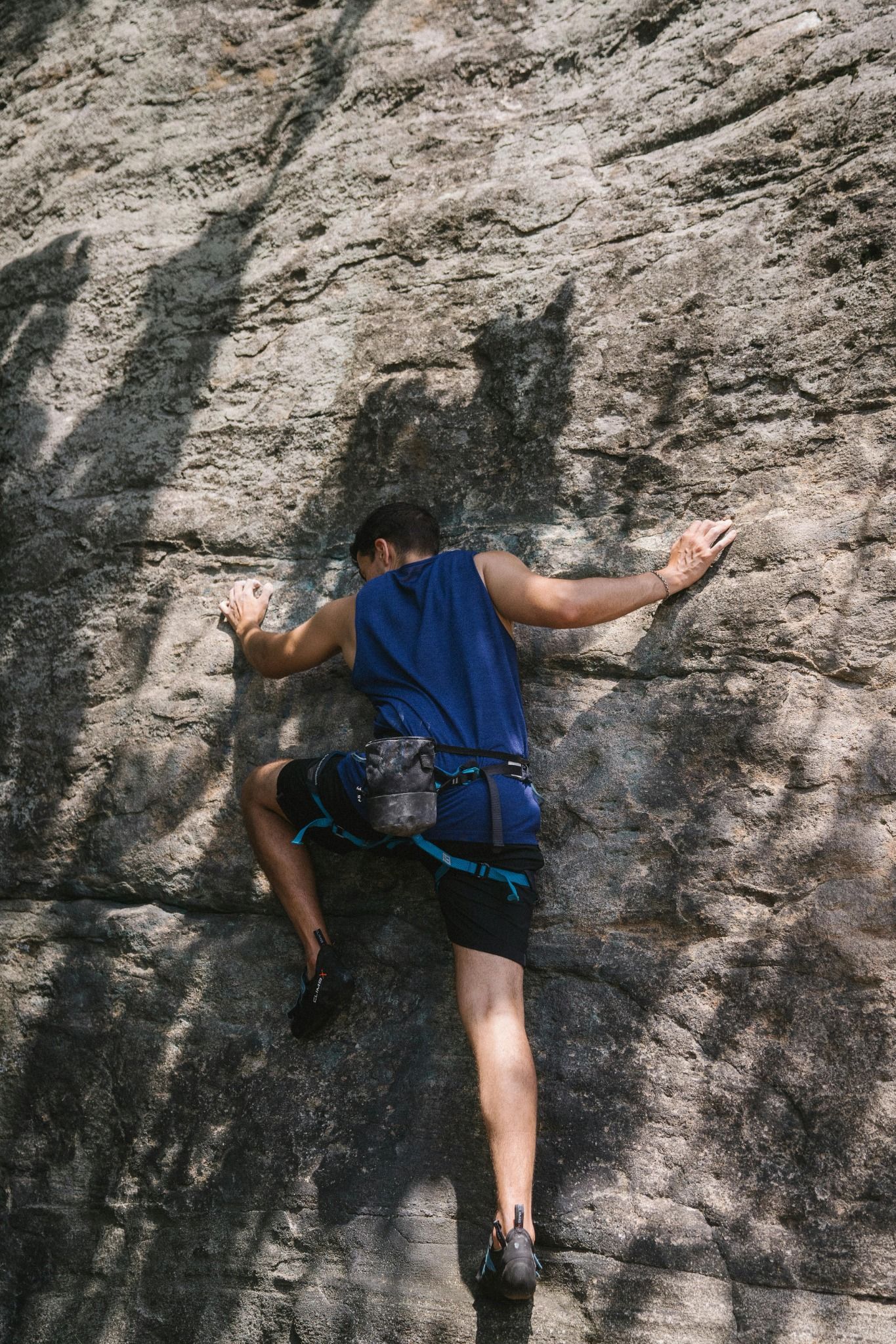
The Himalayas contain large quantities of exposed rock, but that does not automatically mean every rock field is a suitable bouldering area. Finding good boulders requires exploration. This is where local knowledge becomes valuable. Rather than assuming that every unexplored boulder is a potential climbing area, experienced climbers can assess rock quality, access and environmental considerations before developing new problems.
Bouldering in Himachal Pradesh
Himachal Pradesh has significant potential for bouldering because of its varied granite landscapes and mountain valleys. Around established adventure centres such as Manali, bouldering can be incorporated into wider climbing and outdoor programmes.
Beyond established areas, however, the possibilities become much broader. Valleys throughout Himachal Pradesh contain rock formations that may offer opportunities for future bouldering development. Some locations may have already been explored by local climbers or visiting climbers, while others may remain largely undocumented.
For experienced boulderers, this creates an interesting possibility: rather than simply visiting a recognised destination, they can explore the wider climbing landscape.
Miyar Valley: A Region With Significant Climbing Potential
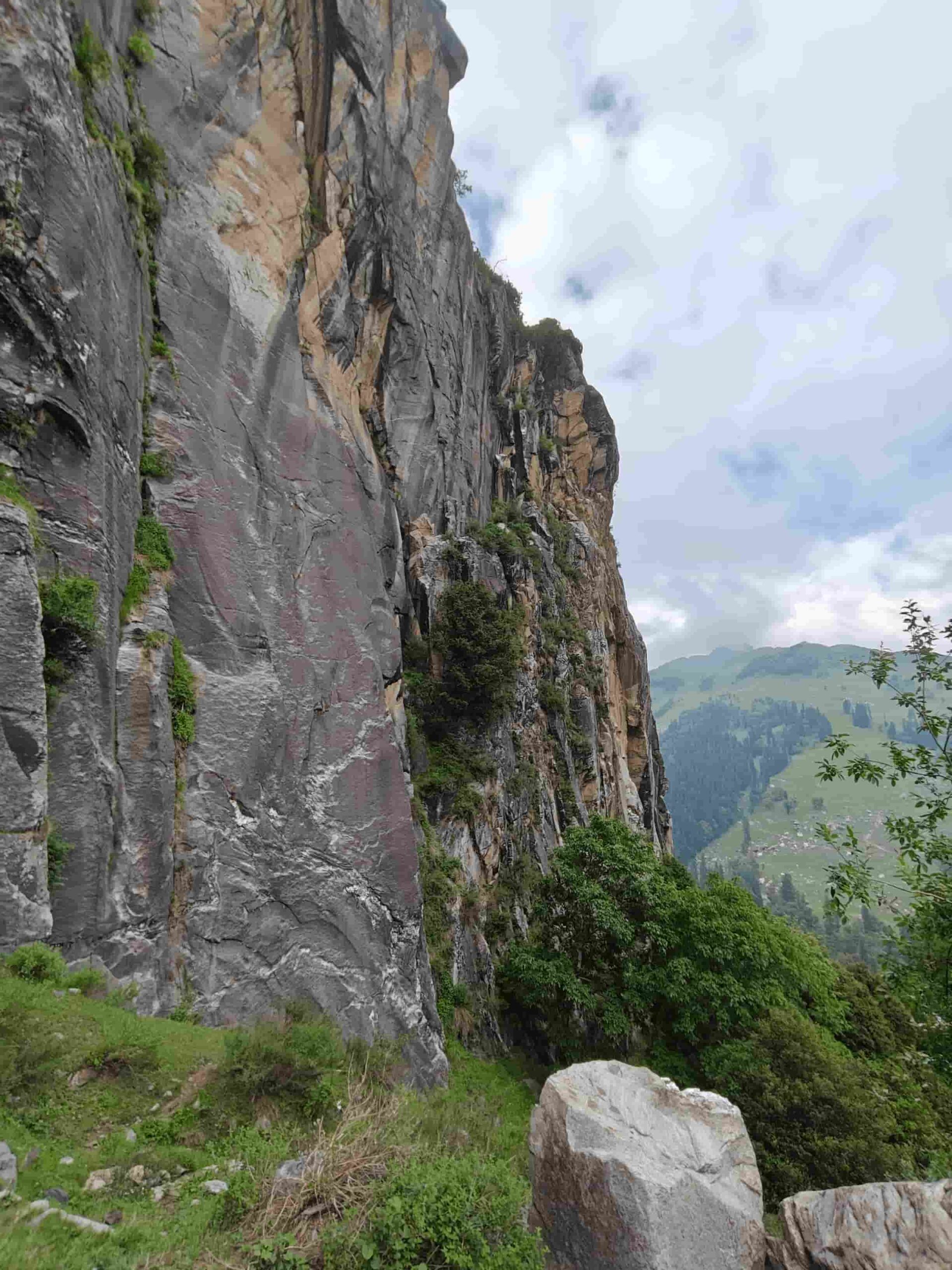
Miyar Valley is particularly interesting from the perspective of future Himalayan climbing development. Located in Lahaul, the valley is known for its dramatic mountain landscapes, granite formations and access to a remote Himalayan environment.
Its significance goes beyond conventional trekking. The combination of rock, alpine terrain, remote valleys and surrounding peaks creates possibilities for climbers interested in exploration and new objectives.
Not every climbing possibility in a remote valley needs to become a commercial itinerary. Some areas are better approached as exploratory projects involving experienced climbers, local support and careful logistical planning. For professional and experienced climbers interested in exploring Miyar Valley, Into Wild Himalaya Expeditions can assist with the practical side of reaching and operating in the region.
Lahaul and the Future of Himalayan Climbing
Lahaul is one of the regions that demonstrates why India should be considered more broadly when discussing Himalayan climbing. The landscape changes dramatically from the greener valleys around Manali towards the higher, drier mountain environment of Lahaul. This geographical transition creates different climbing possibilities and different logistical requirements.
Remote climbing in Lahaul may involve longer approaches, limited accommodation, local transport arrangements and more extensive expedition planning. For climbers seeking established facilities, a standard climbing programme may be appropriate. For those interested in exploration, the planning becomes much more detailed. This is where our experience in Himalayan logistics becomes as important as the climbing itself.
Kinnaur: Mountains, Rock and Exploration
Kinnaur provides another distinct Himalayan environment. The region combines dramatic mountain terrain with villages, forests, high valleys and traditional landscapes.
For climbing and bouldering, Kinnaur is interesting not simply because of individual known climbing areas but because of the broader potential of the landscape. Experienced climbers looking for new possibilities may be interested in examining rock formations and valleys beyond the most established tourism routes.
Such exploration requires a different mindset. The objective is not simply to arrive at a destination and follow an existing itinerary. It may involve reconnaissance, local coordination, approach planning and determining whether the terrain is suitable for the intended climbing project.
Spiti and Other Emerging Himalayan Areas
Spiti presents another dramatically different Himalayan environment. The dry, high-altitude landscape, exposed rock and remote settlements create a climbing environment that is very different from the forests and granite landscapes around Manali.
Other parts of the Indian Himalayas also contain climbing potential that deserves further exploration. Some locations may eventually become recognised climbing destinations. Others may remain specialist areas for small groups of experienced climbers.
We believe this distinction is important. Not every mountain environment needs to be turned into a mass-market adventure destination. Responsible climbing development should consider local communities, environmental impact, access and the long-term character of the region.
Established Climbing vs. New Route Exploration
There is a major difference between booking an existing climbing experience and planning a new climbing project.
An established climbing programme may have:
- Known access
- Established routes
- Known grades
- Existing approach trails
- Familiar logistics
- Established local support
A new climbing project may involve:
- Route reconnaissance
- Identifying suitable rock
- Approach exploration
- Local transport
- Accommodation
- Equipment movement
- Local permissions
- Weather assessment
- Communication planning
- Establishing base logistics
- Developing contingency plans
For an experienced climber, this can be part of the attraction. The Indian Himalayas still contain areas where the climbing map is far from complete.
What IWH Can Provide to Experienced Climbers
Into Wild Himalaya Expeditions does not need to publish a fixed climbing itinerary for every possible Himalayan objective. For professional and experienced climbers interested in exploring new possibilities, our role can be to provide the local operational infrastructure around the climbing project.
Depending on the project, this may include:
- Airport and regional transfers
- Mountain transport
- Local drivers
- Accommodation
- Base-camp logistics
- Local coordination
- Porters and support staff where appropriate
- Permit and access assistance
- Equipment transportation
- Local reconnaissance support
- Route-access planning
- Communication arrangements
- Emergency and contingency planning
The climbing objective remains the climber’s project. Our role is to help make the journey to and around that objective workable.
Climbing Logistics in the Indian Himalayas
One of the biggest differences between climbing in an established international climbing destination and climbing in a remote Himalayan valley is infrastructure. A climber may need to think about:
- How do we reach the valley?
- Where do we stay?
- How far is the roadhead from the climbing area?
- Can equipment be transported locally?
- What happens if the weather changes?
- Where is the nearest medical support?
- Are permits required?
- Is there communication coverage?
These questions are often more important than they first appear. A beautiful climbing objective is only useful if the logistics of reaching and operating around it are realistic.
Mountain Safety Is Part of Climbing
Rock climbing already involves technical risk. Himalayan climbing adds additional environmental factors. Altitude, weather, remoteness, rockfall, approach conditions, changing temperatures and limited access to emergency services can all influence the risk profile.
Safety therefore begins before the first pitch. Route choice, equipment, weather monitoring, communication, local knowledge and contingency planning all matter. At Into Wild Himalaya Expeditions, mountain safety is integrated into our wider Himalayan operations rather than treated as an optional addition. Our experience in mountain operations and rescue planning influences how we approach remote climbing projects.
Weather and Season Matter
Climbing conditions vary significantly across the Indian Himalayas. The monsoon can affect some regions heavily, while other areas lie in rain-shadow zones. Winter can make some climbing areas inaccessible but create opportunities for ice climbing and other technical mountain activities. Spring and autumn can offer different combinations of temperature, rock conditions and accessibility depending on the region.
There is therefore no universal climbing season for India. The correct season depends on the specific valley and the type of climbing being planned.
Rock Climbing, Bouldering and Ice Climbing Can Form One Himalayan Programme
One of the advantages of travelling to the Himalayas is the ability to combine different mountain disciplines. A climbing-focused journey could potentially include:
- Rock climbing
- Bouldering
- Trekking
- Ice climbing
- Mountain skills
- High-altitude exploration
For travellers developing their skills, this can create a progression from basic movement and climbing technique towards more technical mountain environments. For experienced climbers, it can provide an opportunity to explore several Himalayan regions within a longer expedition.
Climbing and Outdoor Education
Rock climbing and bouldering can also play an important role in outdoor education. For schools and colleges, climbing can introduce students to:
- Risk awareness
- Communication
- Teamwork
- Problem-solving
- Movement skills
- Responsibility
- Decision-making
- Confidence in an outdoor environment
Our school adventure programmes can incorporate climbing alongside trekking, camping, cycling and other Himalayan activities depending on the objectives and age of the group. The educational value comes not simply from reaching the top of a climbing route, but from understanding how the group manages challenge and uncertainty.
What Makes Himalayan Climbing Different?
Perhaps the biggest difference is that the mountain environment remains much larger than the climbing route itself. A climbing trip in a developed climbing destination may revolve almost entirely around the crag. In the Himalayas, the journey to the crag can itself become part of the expedition.
Roads, valleys, villages, weather, altitude, local culture and mountain logistics all form part of the experience. This is why our approach combines climbing knowledge with wider Himalayan operational experience.
The Future of Rock Climbing and Bouldering in India
We believe the Indian Himalayas have considerable potential for the future development of rock climbing and bouldering. Some destinations are already established. Others are developing. And some valleys may still contain climbing possibilities that have not yet been properly documented or developed.
Miyar Valley, Lahaul, Kinnaur and other Himalayan regions deserve continued exploration by climbers who are prepared to approach new areas responsibly. The future should not simply be about creating more commercial climbing destinations. It should also be about responsible exploration, route development, local partnerships and protecting the character of the mountain environment.
Exploring Indian Himalayan Climbing With Into Wild Himalaya Expeditions
Into Wild Himalaya Expeditions has been operating Himalayan adventure programmes since 2004. Our experience covers rock climbing, bouldering, trekking, mountaineering, ice climbing, cycling and motorcycle expeditions, as well as outdoor education.
For beginners, we provide structured climbing experiences and technical training. For experienced climbers, we can help design climbing-focused journeys around specific objectives. And for professional climbers interested in exploring lesser-known Himalayan valleys or investigating new climbing possibilities, we can provide the local logistics and operational support required to make an expedition workable.
The Indian Himalayas are not simply a place to visit. For climbers, they remain a landscape of routes to climb, boulders to explore, valleys to discover and possibilities that are still waiting to be developed. That is what makes climbing in the Indian Himalayas so interesting.
Planning a climbing trip or an exploratory project in the Indian Himalayas? Talk to our team about dates, regions and logistics.


