Pin Parvati Pass Trek India – Himalayan Trekking Expedition
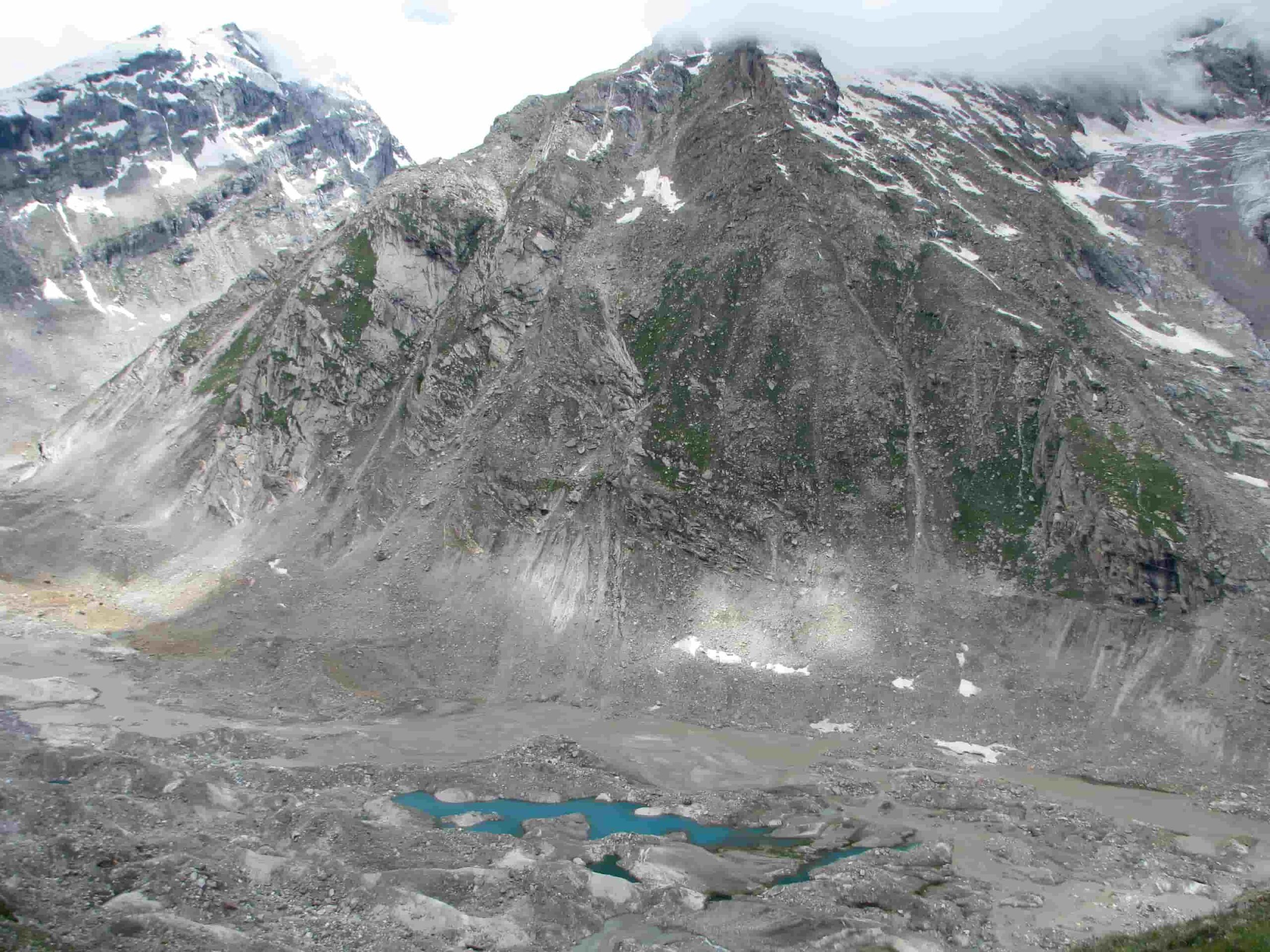
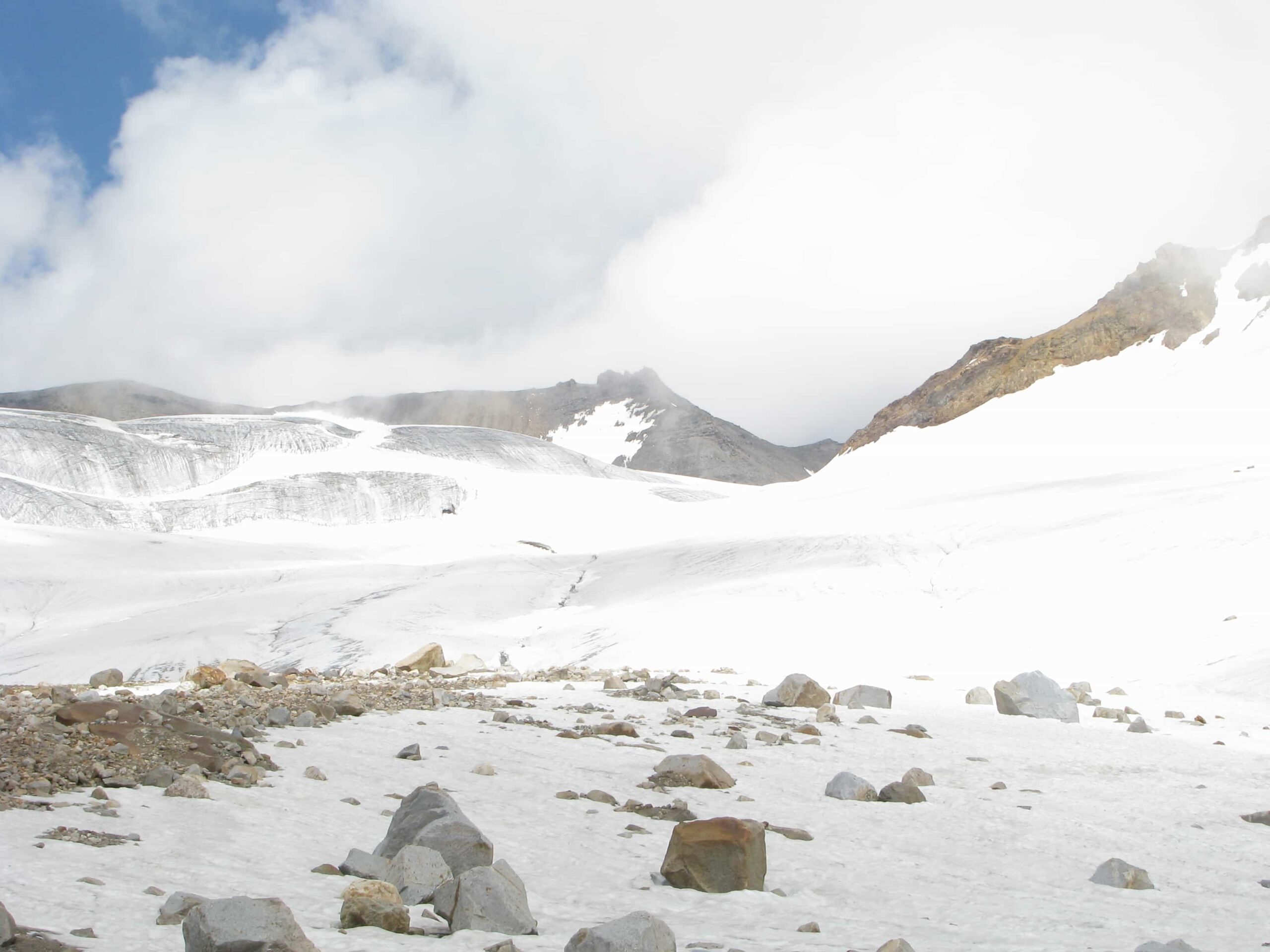
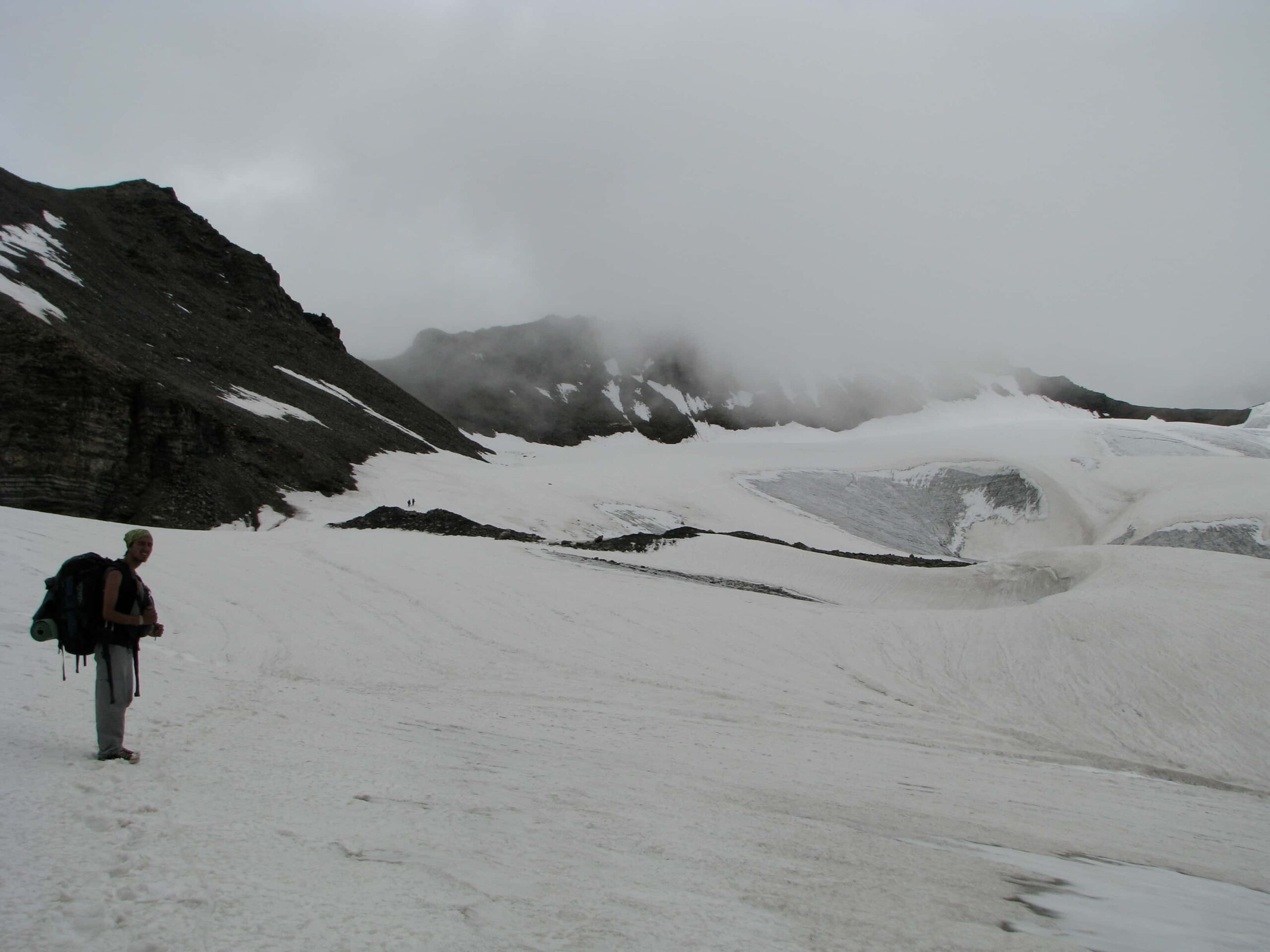
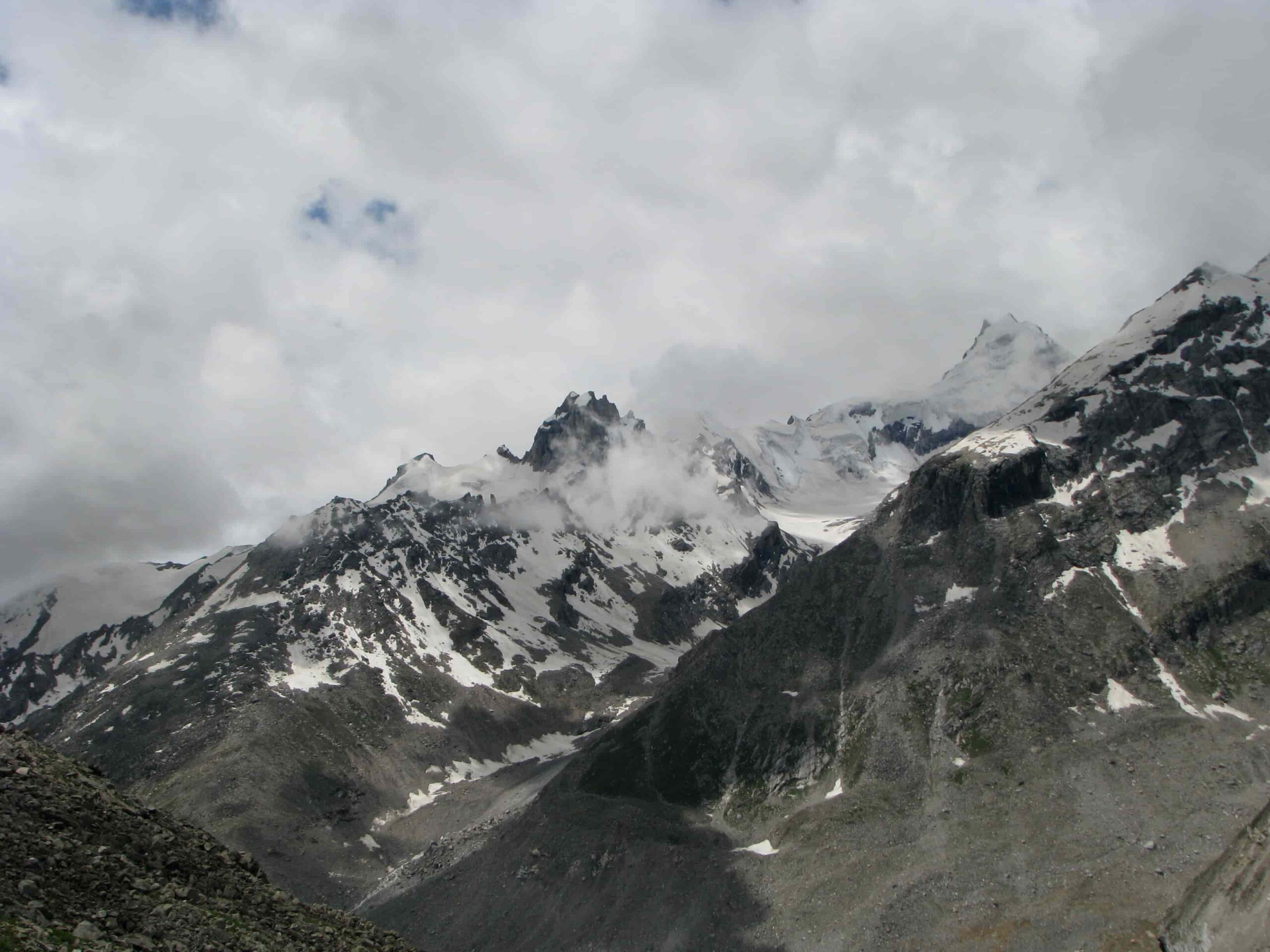
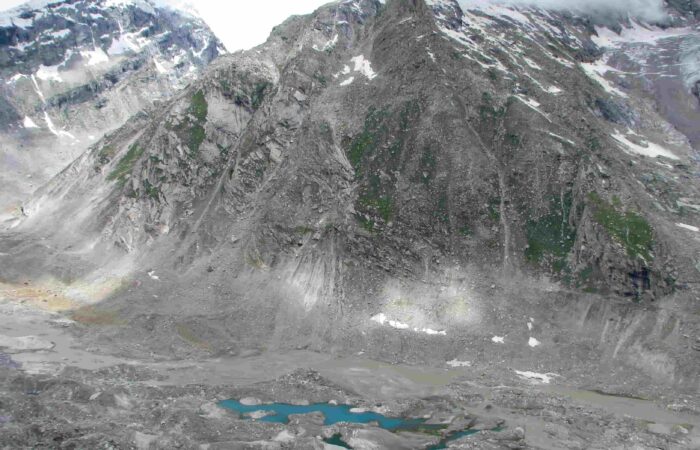
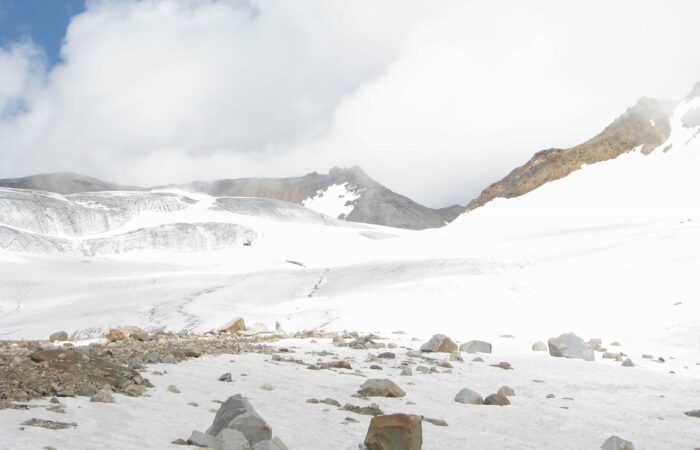
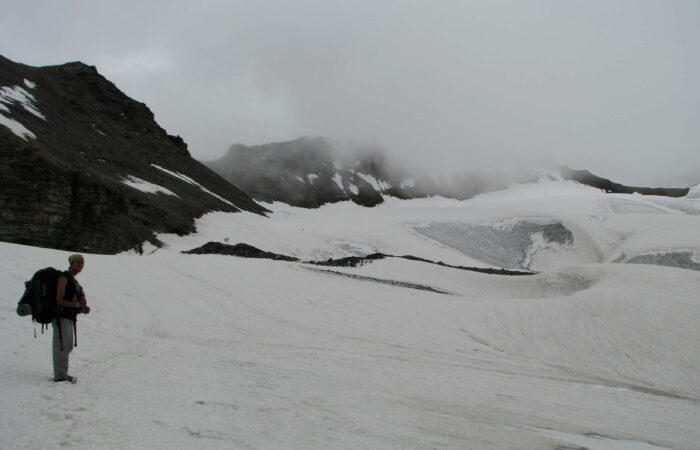
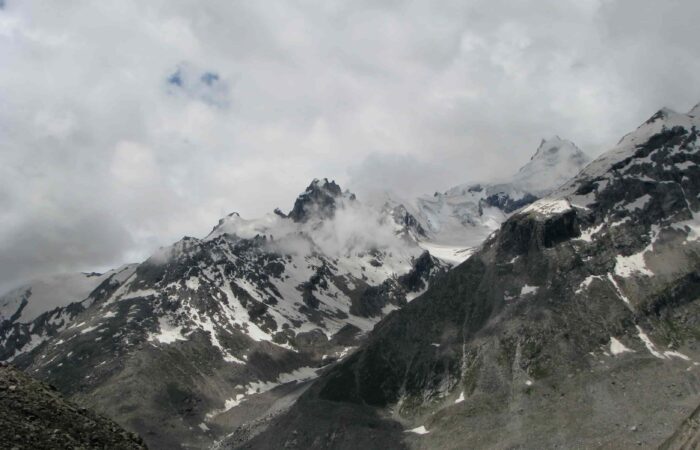
The Pin Parvati Pass trek in the Indian Himalayas is one of the most challenging high-altitude trekking expeditions in Himachal Pradesh, connecting Parvati Valley with the remote landscapes of Spiti Valley. This demanding journey includes glacier crossings, steep ascents, river fords, and rugged terrain that shifts dramatically from green forests to barren mountain landscapes.
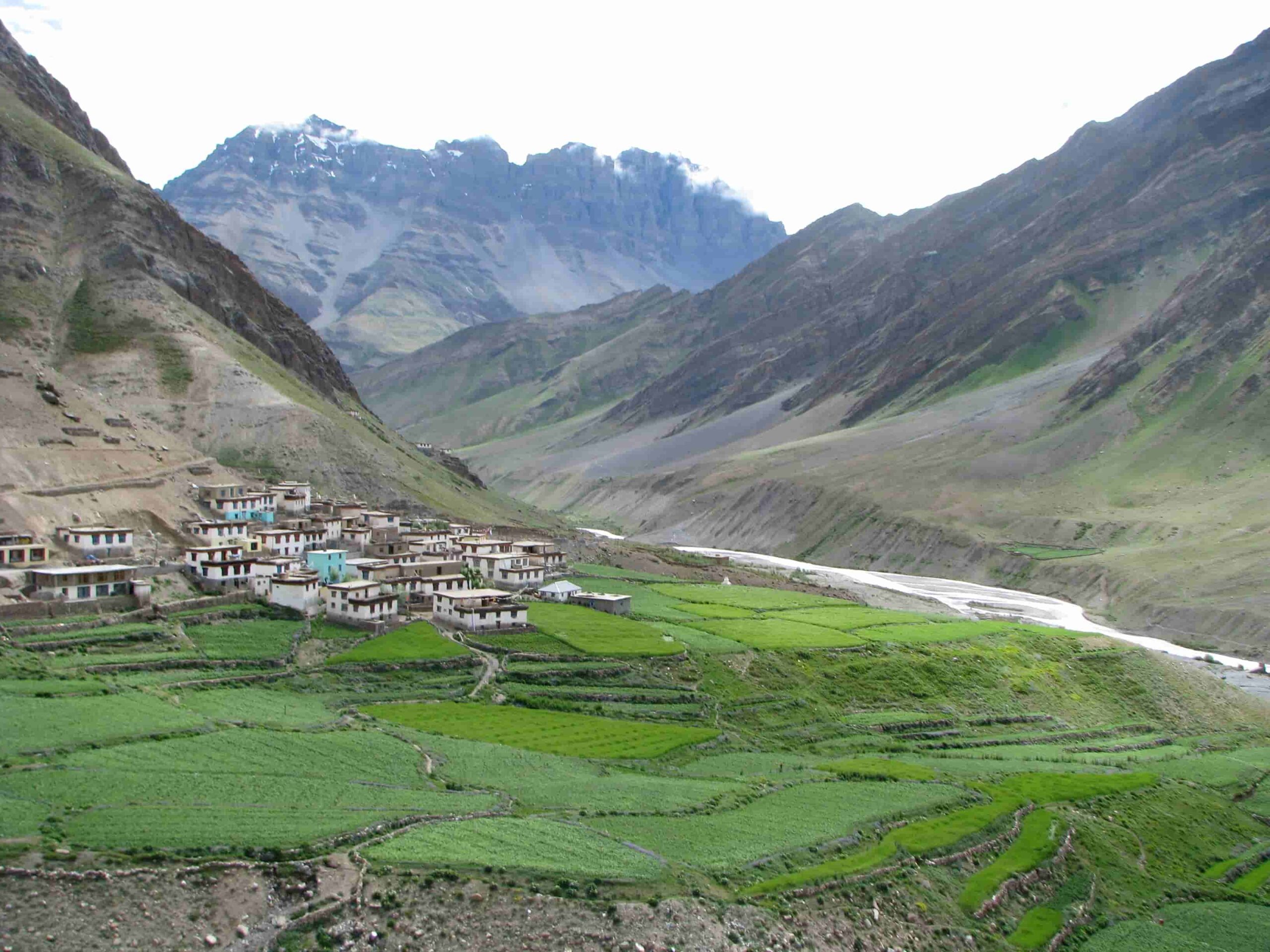
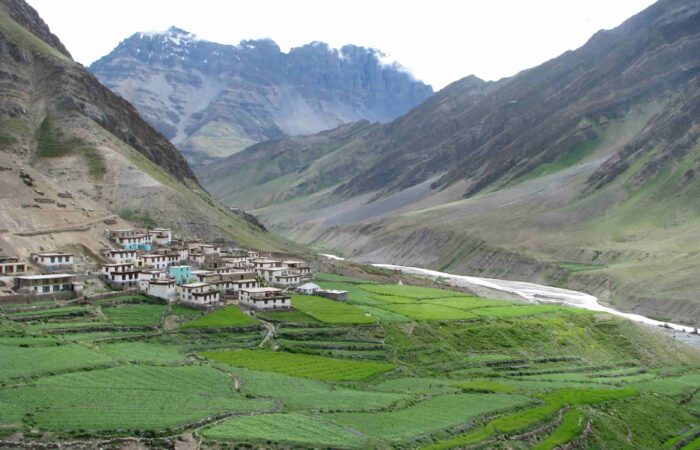
Trekkers explore remote villages, alpine meadows, ancient shepherd trails, and the wild beauty of Pin Valley National Park. With certified guides, structured acclimatization, and full expedition support, this trek offers a rewarding and unforgettable high-altitude Himalayan experience for seasoned trekkers seeking a true trans-Himalayan challenge.
Ideal for experienced trekkers seeking a serious high-altitude challenge in the Himalayas
HIGHLIGHTS:
⭐ Classic trans-Himalayan crossing: Parvati Valley to Pin Valley
⭐ Summit Pin Parvati Pass (5,319 m / 17,451 ft)
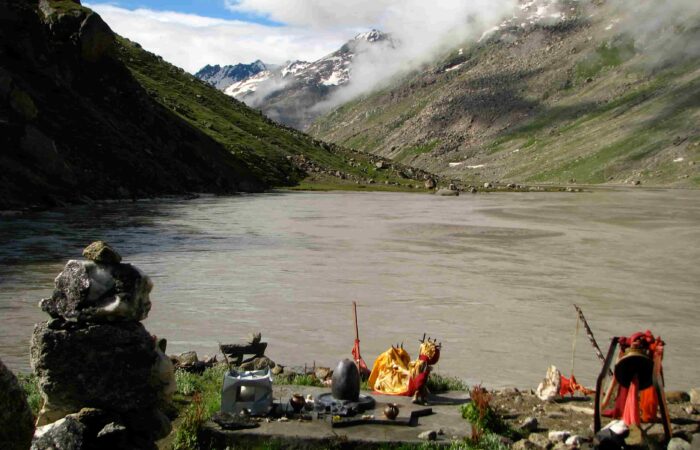
⭐ Relax at Kheerganga hot springs & camp at Mantalai Lake
⭐ Explore Pin Valley National Park’s wildlife & landscapes
⭐ Visit remote Spiti villages with Buddhist culture
⭐ Dramatic shift from forest trails to Himalayan desert
⭐ Fully guided expedition for seasoned trekkers
Pick up from New Delhi airport
All airport transfers from/from Delhi T3 and arranged domestic flights/transfers as per itinerary
All meals during the trek (vegetarian + eggs; tailored dietary support on request)
Accommodation in hotels, camps, and village homestays as per itinerary
Professional mountain guides and support staff (Guide:Client 1:6), cooks and porters
High-quality camping equipment (tents, sleeping mats, cooksets)
Group technical gear (ropes, microspikes, basic high-altitude kit)
Permits, park fees, and liaison officer charges where applicable
First-aid kit, oxygen cylinder, evacuation support coordination
Domestic flight: Delhi to Kullu and Chandigarh to Delhi
Package Price does not include which is not mentioned in the inclusion list.
International Flights
Personal trekking gear
Travel insurance and emergency evacuation insurance (mandatory)
Meals during road transfers not included explicitly
Personal expenses, tips, telephone, laundry, and items of personal nature
Costs due to route changes or delays caused by weather or authorities
Clothing & Layers
• 2–3 thermal base layer tops
• 2 thermal bottoms
• 1–2 fleece jackets
• 1 down jacket (rental available)
• Waterproof jacket
• Waterproof pants
• 2–3 trekking trousers
• Warm track pant for camp
• Inner sleeping socks
Footwear
• Waterproof high-ankle trekking shoes (rental available)
• Lightweight camp sandals
• 4–5 pairs woollen socks
• 2 pairs synthetic socks
Head & Hand Gear
• Sun cap
• Warm beanie
• Neck gaiter or balaclava
• Inner fleece gloves
• Waterproof outer gloves
Bags & Gear
• 50–60L backpack with rain cover (rental available)
• 20–30L daypack
• Trekking poles (rental available)
• Headlamp with spare batteries (rental available)
Hydration & Snacks
• 2 water bottles (1L each) or hydration bladder
• Water purification tablets
• Energy bars, nuts, electrolyte powders
Personal Items
• Biodegradable soap and toiletries
• Quick-dry towel
• Wet wipes and hand sanitiser
• Toilet roll
• Sunglasses (UV protection)
• Sunscreen SPF 50+
• Lip balm SPF 30+
Health & Safety
• Personal medications
• Basic first-aid kit
• Painkillers and band-aids
• Blister care kit
• Diamox (consult doctor)
• ORS/electrolytes
Documents & Money
• Government ID or passport
• Copies of permits (provided)
• Cash for remote regions (ATMs limited)
Electronics
• Power bank 10,000–20,000 mAh
• Camera or action cam and extra batteries
• Charging cables and adapters
Optional Items
• Backpack liner
• Compact thermos
• Small repair/sewing kit
• Personal journal
First Aid Kit for Trekking
1. Wound Care & Dressings
• Adhesive bandages (multiple sizes)
• Sterile gauze pads
• Crepe elastic bandage
• Medical adhesive tape
• Antiseptic wipes
• Antiseptic liquid or cream
• Cotton rolls and cotton swabs
• Butterfly closures
• Steri-strips (if available)
2. Blister & Foot Care
• Blister pads (Compeed or moleskin)
• Anti-friction tape
• Toe separators (optional)
• Small scissors for tape/moleskin
3. Pain Relief & Anti-Inflammatory
• Paracetamol
• Ibuprofen
• Anti-inflammatory tablets
• Pain-relief spray or muscle gel
• Hot/cold gel pack (optional)
4. Gastrointestinal & Hydration Support
• Anti-diarrheal tablets
• Antacid tablets
• Oral Rehydration Salts (ORS)
• Electrolyte powders
• Activated charcoal (optional)
5. Altitude & Respiratory Support
• Diamox (consult doctor before use)
• Cough lozenges
• Steam-inhalation capsules (optional)
6. Allergy & Skin Care
• Anti-allergy tablets
• Hydrocortisone cream
• Aloe vera gel
• Lip balm with SPF
• Sunscreen SPF 50+
• Lubricating eye drops
7. Tools & Hygiene Essentials
• Digital thermometer
• Tweezers
• Small medical scissors
• Disposable medical gloves
• Face masks (N95 or medical)
• Hand sanitiser
• Mini soap or hand wash
• Waste-disposal zip bags
8. Personal Medications
• Personal prescription medicines
• EpiPen (if required)
• Any doctor-advised specific medication
Note: Into Wild Himalaya always carries a comprehensive expedition-grade First Aid Kit along with an oxygen canister for all high-altitude treks. However, we strongly encourage every participant to carry a small, personal first aid kit for individual comfort and quick access during the trek.
For details on our cancellation policy, please refer to the following link:
https://iwhexpeditions.com/cancellation_policy/
Max Altitude: 216 m (709 ft)
Arrive at Delhi’s Indira Gandhi International Airport (T3), where our team meets you for a welcome briefing and final documentation check. This day is intentionally relaxed to let participants recover from international or domestic travel and to regroup before the mountain portion begins. You’ll receive a detailed safety and equipment orientation, meet your lead guide, and confirm logistics for the onward flight to Manali. We also review acclimatisation strategy, emergency procedures, and environmental protocols so every trekker starts informed and confident. Evening is for rest and final packing.
Altitude: 3550 m / 11,646 ft.
The Tabo Gompa – founded in 966 AD – has exquisite frescoes and statues; oftenly called the Ajanta of the Himalayas. Dhankar, the ancient capital of the Spiti King , has the most incredibly situated Gompa; perched high on the barren rocky mountain slopes. Later in the day we will continue to Kaza, which is the Spiti divisional headquarters. Overnight in the camp.
Altitude: 4200 m / 13,779 ft.
We will leave to visit the famous Kye Gompa that is perched high on a pyramid-like mountain, which belongs to the Gelugpa sect of Tibetan Buddhism. Kibber, one of the highest permanent inhabited villages, is located in a semi bowl-shaped landscape. We will visit a small Gompa before returning to the camp near Kaza.
Travelling Distance: 190 km
As we drive through several villages of Spiti, passing over the Kunzum Pass (4700 m / 15,419 ft.) you will experience the magnificent views of the Himalayan Peaks. We will then drive through Chandra Valley, then uphill to Rohtang Pass (3950 m / 12,959 ft.) which provides the main gate way of Lahaul-Spiti and Kullu. We will then descend to Manali. Overnight stay in hotel.
Travelling Distance: 570 km
Travelling Time: 16 hours
Free visit in Manali. You will be able to spend the rest of the day freely within the town until 3pm, when you will depart for the bus station. Overnight journey in comfortable bus.
You will be given the opportunity to explore around Delhi as you will have a full day free, before being transferred to the Indira Gandhi International Airport where you will depart to your onward destination.