
Price and itinerary tell you almost nothing about whether an operator is safe. Two companies can advertise the same trek, the same number of days and the same photographs, then run completely different operations underneath.
The differences show up in guide ratios, acclimatisation profiles, how staff are treated, evacuation planning, and what happens on the day something goes wrong. None of it appears on a booking page.
These twelve questions sort operators quickly. A good one answers all of them without pausing. An evasive answer is itself the answer.
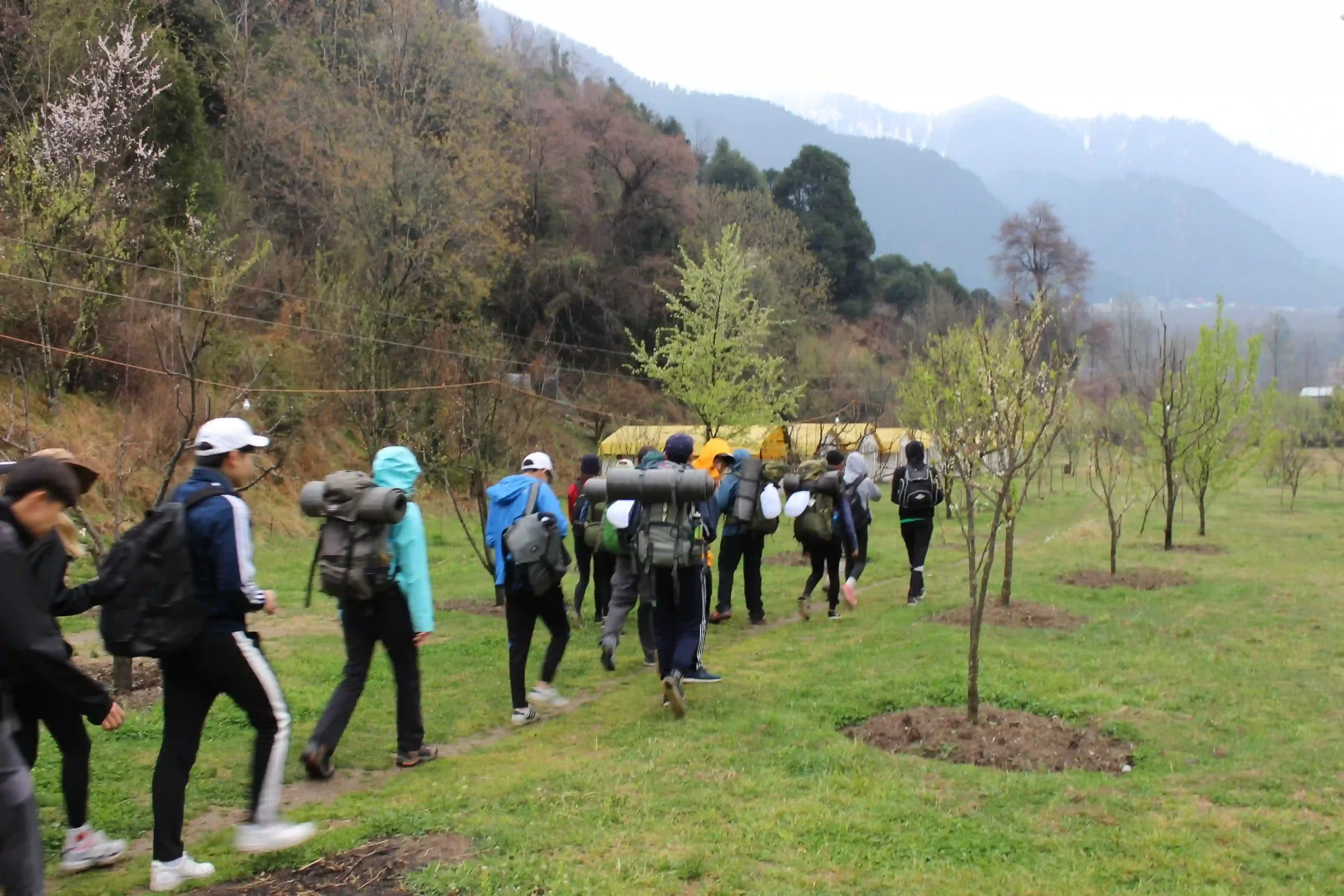
First, What You Are Actually Buying
Booking a Himalayan expedition isn’t buying a route. The route is public knowledge. You’re buying judgement, logistics, and the ability to handle a bad day at altitude a long way from a road.
Which is why these questions are about systems rather than scenery.
The Twelve Questions
1. What Is the Guide to Client Ratio?
Ask for a number, not an adjective. “Small groups” means nothing. “Two guides to eight clients” means something.
The ratio decides whether anyone notices you’re struggling, and whether the group can split if one person has to go down while the rest carry on. On technical ground it matters even more.
2. What Qualifications Do the Guides Hold, and Who Exactly Is Leading My Trip?
“Experienced guides” is marketing. Ask which certifications, from which body, and whether the lead guide is on the payroll or hired for the departure.
Ask about wilderness first aid training too, and when it was last renewed. Certificates expire, and out there the guide is your medical response for several hours.
3. What Is the Ascent Profile, and Where Am I Sleeping Each Night?
This is the most revealing question you can ask about any high altitude trip.
CDC guidance recommends that above 3,000 m, increases in sleeping altitude stay around 500 m a day, with extra acclimatisation time the higher you go. Ask for the sleeping altitudes night by night and check them against that.
An operator who can’t produce those numbers on request hasn’t thought carefully about acclimatisation.
4. What Happens If Someone Develops Altitude Sickness?
You want a protocol, not reassurance.
Good answers mention spotting symptoms early, descent as the primary treatment, who goes down with the affected person, how the rest of the group continues, and whether supplementary oxygen or a portable hyperbaric chamber travels with the group on higher itineraries.
A weak answer is “our guides are very experienced, it doesn’t happen.”
5. How Is Evacuation Handled, and Who Pays?
Helicopter rescue in the Indian Himalayas is not a given. Weather, altitude and daylight all limit it, and in plenty of areas an evacuation starts on foot or on a stretcher towards a road.
Ask where the nearest road access is on each section, how long getting out would take, who coordinates it, and who pays upfront. Many operators require you to carry insurance that covers it, which leads straight into the next question.
6. What Insurance Do You Require, and What Must It Cover?
Standard travel insurance often excludes trekking above a certain altitude, frequently 4,000 m or 5,000 m. Plenty of Himalayan treks go higher than that.
Check your policy covers the maximum altitude on your itinerary, emergency evacuation including helicopter, and repatriation. Ask the operator what altitude the trek reaches so you can check the figure instead of guessing.
This is the gap we see most often with international clients, and it only becomes visible at the worst possible moment.
7. How Many People Are in the Group, and Is It Private or Joined?
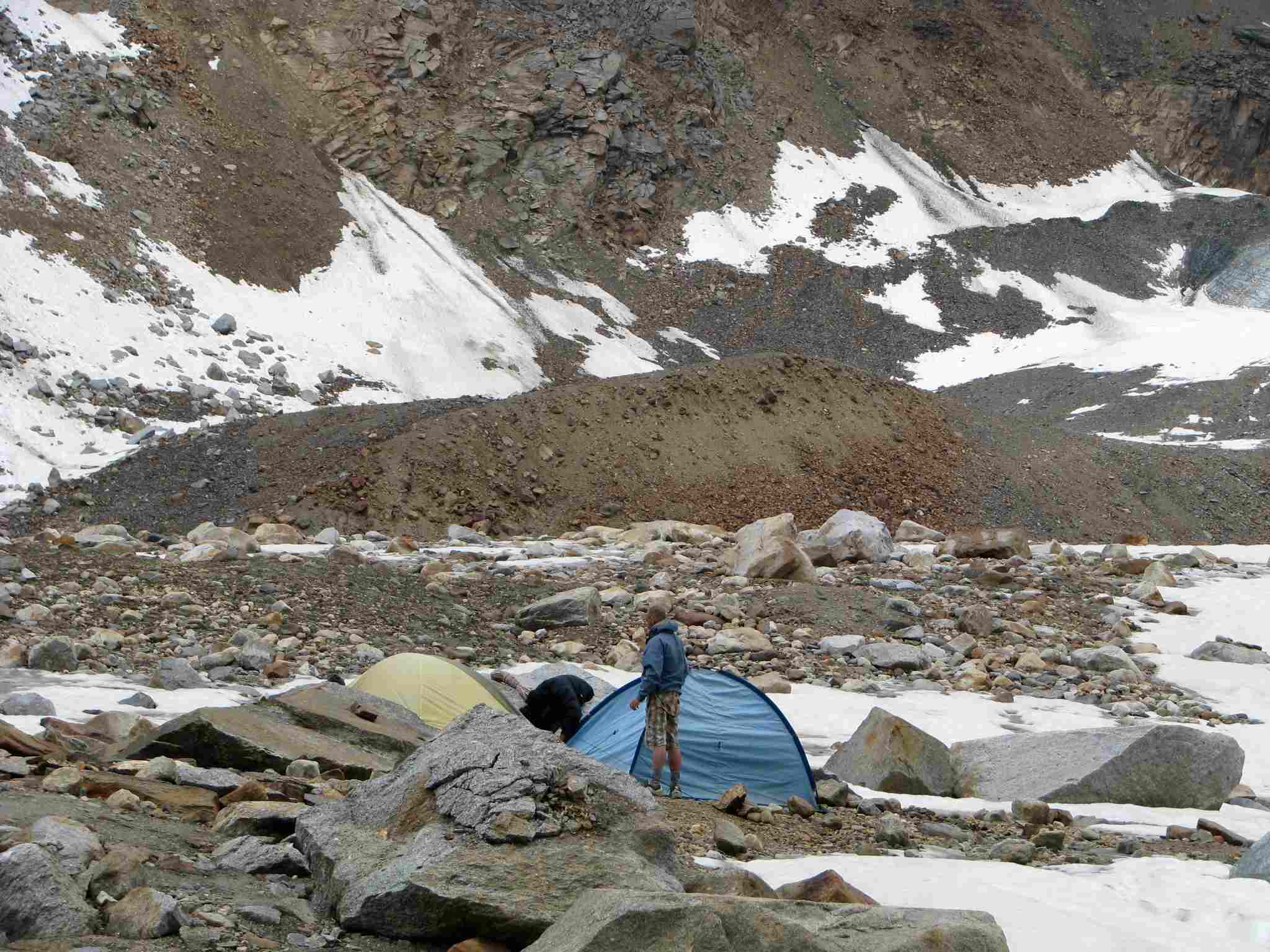
Group size affects pace, flexibility and how much attention you get. On a joined departure you’re also walking with strangers whose fitness and experience you can’t assess beforehand.
Ask what happens if the minimum group size isn’t reached. Some operators cancel, some run at a surcharge, and some quietly merge you into another company’s group, which changes who is actually guiding you.
8. What Is Included, and What Is Genuinely Excluded?
Get it in writing, itemised. The usual gaps:
- Transfers to and from the trailhead
- Accommodation before and after the trek
- Permits and park fees
- Sleeping bags and mattresses
- Personal porter or duffel allowance
- Meals in town at either end
- Tips for staff
A cheaper quote with four exclusions often costs more than a higher quote that includes everything.
9. What Is the Plan If a Road, Pass or Border Closes?
In the Himalayas this is routine rather than hypothetical. Landslides close roads. Floods take out bridges. Passes stay under snow later than expected. Border areas close at short notice.
Ask what the alternative plan is, who makes the call, and where you stand financially if the itinerary changes mid trip. An operator who has worked a region for years will answer straight away, because they’ve done it before.
10. Who Are the Support Staff, How Are They Paid, and How Are They Equipped?
An ethical question with a practical edge.
Ask whether porters and crew have proper footwear, shelter and insurance, what loads they carry, and whether they’re local to the region. Underpaid, badly equipped staff are a human problem first and an operational risk second. The quality of your trip rests on them.
Operators who look after their crew usually tell you about it in detail. Operators who don’t will change the subject.
11. What Is the Cancellation and Refund Policy, on Both Sides?
Read it before you pay a deposit. Look specifically at what happens if the operator cancels, not just if you do. Weather, minimum numbers and permit changes all cause cancellations from their side.
Ask whether a deposit transfers to a future departure. That’s often the difference between losing the money and rescheduling.
12. Can I Speak to a Past Client, Ideally From My Country?
This question reveals an operator’s confidence faster than any other.
A reference from a traveller in your own market is worth more than a wall of reviews, because they dealt with the same flights, the same insurance questions, the same jump in altitude from sea level, and the same unfamiliarity you will.
Warning Signs Worth Taking Seriously
| Sign | Why it matters |
|---|---|
| Vague answers about ratios or certifications | The specifics are either missing or not good |
| No ascent profile available on request | Acclimatisation hasn’t been planned properly |
| “Altitude sickness doesn’t happen on our treks” | Either untrue or dangerously overconfident |
| Prices far below everyone else | Something has been cut. Usually staff, safety margin or inclusions |
| No written terms or cancellation policy | No recourse when something goes wrong |
| Pressure to book immediately | A sales tactic, not an operational one |
| Stock photography only | They may not have run the route themselves |
| No local office or ground presence | You’re probably booking through a reseller |
Cheapest Is Rarely Cheapest
A noticeably lower price on the same itinerary usually means one of these has been reduced:
- Fewer guides per client
- Less experienced or uncertified staff
- A compressed acclimatisation schedule, because fewer days costs less
- Cheaper food and camping equipment
- No contingency days built in
- Lower staff wages
- No safety equipment beyond the minimum
The acclimatisation one deserves particular attention. Shortening a trek is the easiest way to cut cost and the hardest thing for a customer to evaluate. A trek that saves you two days by going up faster is not a bargain.
Extra Questions for Specific Trip Types
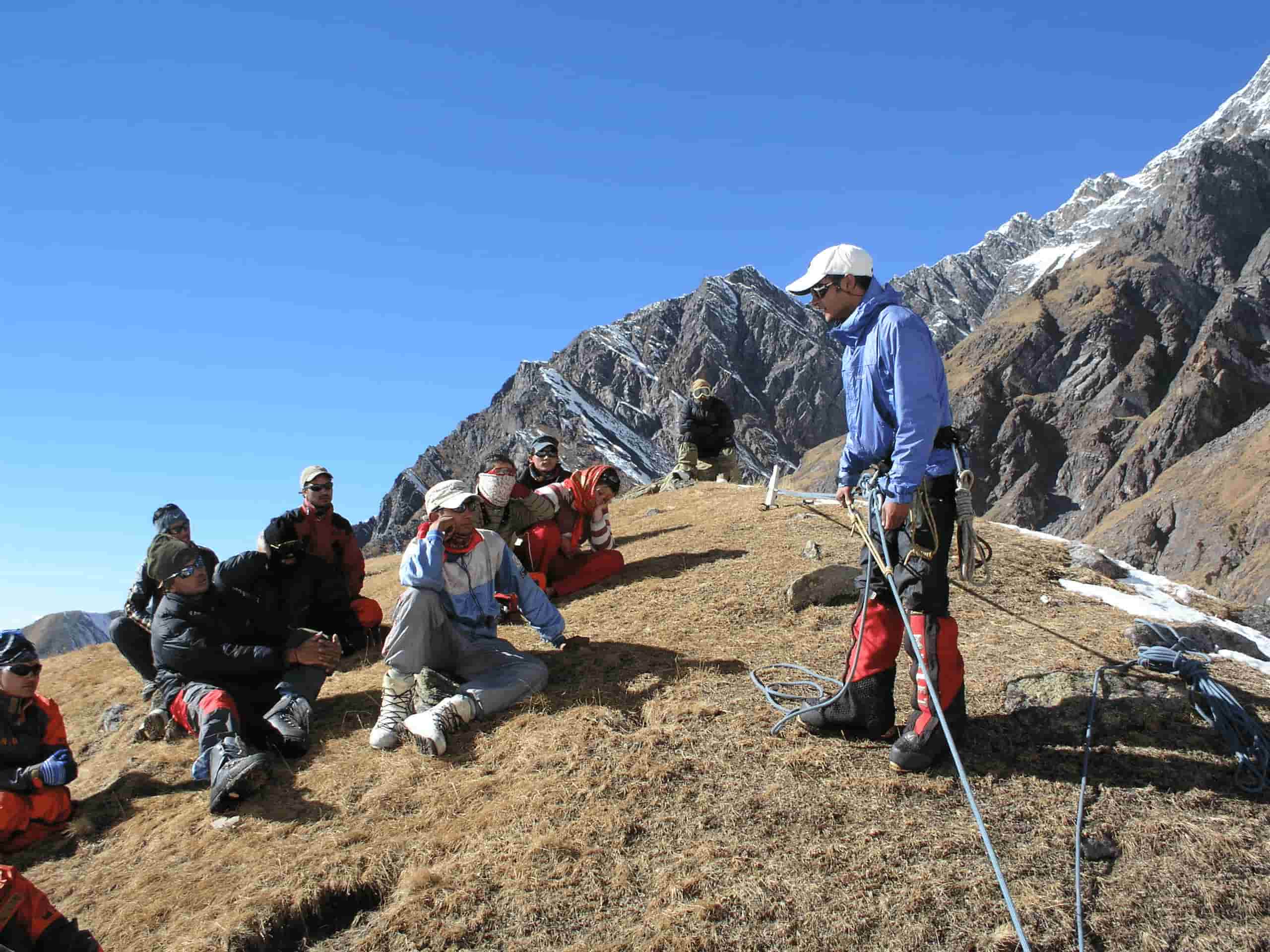
Climbing and mountaineering expeditions
Also ask: what technical grade is the route, what equipment is provided, what previous experience is required, and what the summit day plan and turnaround time are.
Motorcycle and cycling expeditions
Also ask: what machine is provided and what condition it’s in, is there a mechanic on the trip, is there a backup vehicle, and who covers damage.
School and university groups
Also ask: staff ratios, safeguarding policy, risk assessment documentation, how emergencies get communicated to parents, and how medical information is handled.
How We Answer These Questions
Into Wild Himalaya Expeditions has operated in the Indian Himalayas since 2004. We publish guide to client ratios, maximum altitudes and inclusions on every itinerary, and we’ll send sleeping altitudes night by night on request for any high altitude programme.
Our guides are local and trained in first aid and mountain rescue. Our crew come from the regions we work in. And we build contingency into itineraries, because roads and passes in this part of the world don’t run to schedule.
Ask us all twelve. Talk to our team, and ask the same twelve of whoever else you’re considering.
Frequently Asked Questions
How Do I Choose a Himalayan Trekking Company?
Ask about guide to client ratios, guide certifications, sleeping altitudes night by night, the altitude sickness protocol, evacuation planning, insurance requirements, group size, itemised inclusions, contingency plans, staff conditions, the cancellation policy, and whether you can speak to a past client.
What Guide to Client Ratio Is Safe for a Himalayan Trek?
There’s no universal number, but the ratio should let the group split if one person has to descend while others continue. Ask for the specific figure rather than accepting a description like “small groups”.
What Should a Good Acclimatisation Plan Look Like?
CDC guidance suggests that above 3,000 m, increases in sleeping altitude stay near 500 m a day, with extra acclimatisation time as you climb higher. Ask for the sleeping altitudes night by night and compare them against that.
Does Travel Insurance Cover Himalayan Trekking?
Often not above a stated altitude, commonly 4,000 m or 5,000 m. Check your policy covers the maximum altitude of your itinerary, emergency evacuation including helicopter rescue, and repatriation. Ask the operator for the trek’s maximum altitude so you can verify it.
Is Helicopter Rescue Available in the Indian Himalayas?
Not reliably. Weather, altitude and daylight limit when helicopters can fly, and in many regions an evacuation starts on foot towards the nearest road. Ask where road access is on each section of your route.
Why Are Some Himalayan Treks So Much Cheaper Than Others?
Usually because something has been reduced: guide numbers, staff experience or wages, food and equipment quality, safety equipment, contingency days, or acclimatisation time. A shorter itinerary that ascends faster costs the operator less and costs you more in risk.
What Should Be Included in a Guided Trek Price?
Typically guides and crew, camping equipment, meals on trek, permits and group safety equipment. Transfers, accommodation before and after, personal equipment, insurance and tips are commonly excluded. Ask for an itemised list in writing.
What Happens If a Road or Pass Closes During My Trek?
A well run operator will have an alternative ready, because closures are routine here. Ask what that alternative is, who decides, and what the financial position is if the itinerary changes mid trip.
Should I Book a Local Operator or an International Agency?
International agencies usually subcontract to a local operator on the ground. Booking the local operator directly means you know who’s running your trip. Ask any agency which company will actually deliver the trek.
How Do I Check an Operator’s Safety Record?
Ask directly about incidents and how they were handled. Ask to speak to a past client from your own country. Check whether the operator has a real local office and ground presence rather than only a booking website.


