
Spiti in winter runs between minus 15°C and minus 25°C at night, at altitudes from 3,800 m in Kaza to 4,270 m in Kibber. Standard snow checklists miss what actually decides the trip: water pipes freeze for four months, lithium batteries die in minutes, the bukhari goes out at 10 pm, and standing still is colder than walking uphill.
Planning a trip to Spiti in winter usually starts with downloading a standard checklist from the internet. Every list recommends the same basics: thermal innerwear, a fleece jacket, a heavy down coat, woollen socks, and snow boots. On paper, packing for Spiti Valley in winter looks like preparing for a colder version of Manali or Shimla.
The ground reality between December and March is completely different. At altitudes above 3,800 to 4,270 metres in Kaza, Kibber, and Langza, the Spiti Valley temperature in winter drops between minus 15°C and minus 25°C every night. Freezing winds across open ridges make it feel colder still. At minus 25 degrees Spiti becomes a harsh cold desert where regular travel gear fails, water pipes burst, and small mistakes turn into safety risks.
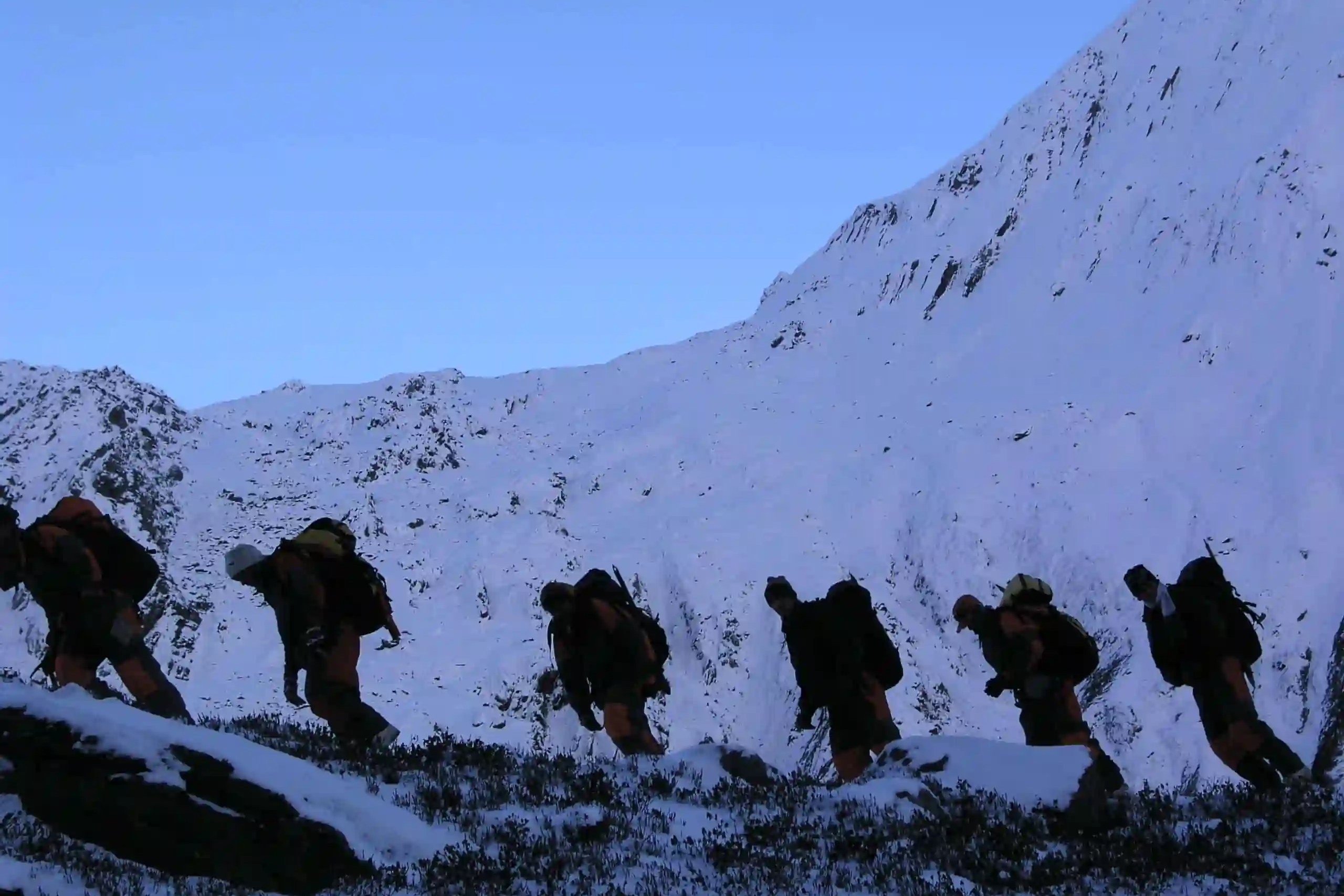
Why Spiti in Winter Demands Expedition Thinking, Not a Standard Snow Checklist
Most travellers treat a winter road trip as a casual sightseeing holiday. Surviving Spiti in winter asks for an expedition mindset rather than a basic hill station checklist. Heavy snowfall cuts the Manali highway completely, leaving the high altitude desert isolated with limited electricity, no running water, and very basic medical facilities.
During December the rivers begin freezing into solid ice sheets. By January and February daytime temperatures stay below freezing while night temperatures plunge past minus 20°C. Unlike summer trips where travellers stay in heated hotels, winter visitors rely on local homestays and ground support.
Experienced operators plan winter journeys around mountain safety, backup oxygen, snow chains, and gradual altitude gain. Whether travellers join a Spiti Snow Leopard Photography Expedition or explore remote monasteries, knowing these realities before visiting prevents frostbite, gear failure, and altitude sickness.
Six Survival Realities Standard Spiti Packing Lists Leave Out
A typical winter Spiti packing list tells travellers what items to buy, but it rarely explains how extreme cold changes daily life. Below are six realities worth understanding before stepping into a valley that stays below freezing for four months.
1. Standing still freezes you faster than trekking uphill
Most advice on what to wear in Spiti in winter comes from summer trekkers who generate body heat by walking uphill. Winter travel here involves long hours sitting inside cold vehicles or standing still at high viewpoints.
The ground reality: standing motionless on a windy ridge above Kibber drains body heat much faster than hiking up a steep trail.
The fix: build a proper layering system. Wear moisture wicking merino wool thermals, a thick fleece mid layer, and a heavyweight down parka rated to at least minus 20°C that covers the hips. Guests who spend hours scanning frozen cliffs for wildlife need static warmth and a windproof outer shell, not a jacket designed for movement.
2. Tight boots and double socks cut circulation and freeze your toes
A common mistake when choosing shoes for Spiti in winter is buying boots in the exact size and then stuffing two or three pairs of thick woollen socks inside them.
The ground reality: tight socks compress the feet and block warm blood from reaching the toes. Once circulation slows, toes turn numb within twenty minutes on snow.
The fix: buy insulated, waterproof snow boots half a size to one full size larger than your regular footwear. Wear one pair of cushioned merino wool socks during the day so the toes can wiggle freely, and keep a fresh dry pair sealed in a bag strictly for sleeping. Testing gear fit on an Outdoor Survival Course in Manali is a cheaper way to find out your boots are wrong than discovering it in Kaza.
3. Running water disappears, so expect dry pit toilets and bucket washes
Travel blogs rarely explain how bathrooms work when temperatures stay below zero for four months straight.
The ground reality: tap water pipes freeze and crack across the entire valley. Hotels and homestays shut down flush toilets and running showers from November until April.
The fix: travellers use the traditional Spitian dry pit toilet, a clean compost system that uses dry soil and sawdust instead of water. Hosts heat water in buckets over wood burning stoves for washing hands and faces. Pack biodegradable wet wipes, a strong hand sanitiser, and quick drying towels. Anyone joining a Spiti Valley trek should treat water as a limited resource, because villagers melt snow or haul it from frozen streams.
4. Lithium batteries die in minutes and every liquid freezes overnight
Deep cold affects electronics and daily toiletries just as severely as it affects the human body.
The ground reality: cold slows the chemical reactions inside lithium ion cells. Pulling a smartphone or camera out in a minus 20°C wind can drop the charge from 80 per cent to nothing in under two minutes. Plastic water bottles, sunscreen, contact lens solution, and wet wipes all freeze solid overnight if left in bags or in the vehicle.
The fix:
- Keep spare camera batteries, phones, and power banks in inner jacket pockets close to body heat.
- Carry a double walled steel vacuum flask for warm drinking water.
- Store lip balm, moisturiser, and a small insulated bottle inside the quilt at night.
5. Extreme cold masks thirst and speeds up altitude sickness
Many visitors treat cold weather and high altitude as two separate problems, yet above 3,800 metres each one makes the other worse.
The ground reality: winter air in Spiti holds almost no moisture. Every breath exhaled into freezing air releases body water, while the cold shuts off the natural thirst signal. Rapid dehydration thickens the blood and brings on acute mountain sickness, with severe headaches, nausea, and dizziness.
The fix: drink 3 to 4 litres of warm water, ginger tea, or soup every day even when you do not feel thirsty. Follow the same acclimatisation discipline used on a Kanamo Peak expedition. Ascend slowly, avoid alcohol, and never sleep more than 400 to 500 metres higher than the previous night.
6. The bukhari goes out at night and indoors still drops below zero
Photos of cosy Spitian dining rooms usually show a glowing metal wood stove called a bukhari.
The ground reality: village homestays have no central heating. Families shut the bukhari down around 10 pm to save firewood and to avoid smoke building up overnight. With outside temperatures in Kaza at minus 25°C, bedroom temperatures fall below freezing by early morning.
The fix: wear dry thermal base layers to bed rather than the daytime clothes that have absorbed sweat. Sleep under heavy local quilts with a sleeping bag rated to minus 20°C. Put tomorrow’s socks and trousers inside the foot of the sleeping bag so they are warm when you get up.
Standard Packing List Against the Minus 25°C Upgrade
Before finalising a winter Spiti packing list, compare the usual tourist items against what actually works at minus 25 degrees.
| Gear category | Standard tourist item | The minus 25°C upgrade | Why the upgrade matters |
|---|---|---|---|
| Outer jacket | Regular puffer rated to minus 5°C | Hip length expedition down parka rated to minus 20°C | Prevents heat loss while standing still in wind |
| Footwear and socks | Trekking shoes in your exact size with two thick socks | Insulated snow boots half a size larger with one merino sock | Preserves blood flow to the toes and prevents frostbite |
| Water storage | Plastic or single wall steel bottle | Double walled vacuum flask | Keeps drinking water liquid for 12 hours or more below freezing |
| Electronics | Power bank stored in the daypack | Batteries and power bank in inner chest pockets | Body heat stops lithium cells draining instantly |
| Personal hygiene | Liquid toiletries and soap | Biodegradable wet wipes, dry shampoo, and sanitiser | Taps and bathroom water stay frozen all winter |
| Sleep setup | Cotton pyjamas under blankets | Dry merino thermals and a sleeping bag rated to minus 20°C | Maintains core warmth after the bukhari goes out |
The Shimla to Kinnaur Winter Route and Why Pacing Matters
Understanding how to reach Spiti Valley in winter matters as much as packing warm clothes. The Manali road over the Atal Tunnel and Kunzum Pass stays buried under deep snow from November until May. The Shimla to Kaza route through Narkanda, Rampur, Kalpa, Nako, and Tabo is the only road open into the valley.
That gradual climb through Kinnaur is what allows the body to adjust safely to thinning oxygen. A sensible winter itinerary spends at least two to three nights in Kinnaur before reaching Kaza at 3,800 m and the higher villages such as Kibber, or crossing Chicham bridge at 4,137 m.
On the road itself, morning black ice and frozen diesel lines call for experienced local drivers and 4×4 vehicles fitted with snow chains. Ground teams at Into Wild Himalaya build buffer days into every winter schedule and apply the same altitude protocols used on our mountaineering departures, along with verified heated homestays, emergency oxygen, and route monitoring in remote snow zones.
If your reason for going is wildlife rather than gear, our companion guide to Spiti in winter and the snow leopard season covers tracking, hide times, and the best weeks to travel.
Frequently Asked Questions About Surviving Spiti in Winter
How cold does Spiti Valley get in winter, and which month is the coldest?
The Spiti Valley temperature in winter ranges from about minus 5°C on a sunny afternoon to minus 25°C at night in Kaza, Kibber, and Langza. January is the coldest month, with hard dry frost, while February usually brings the heaviest snowfall. January to March is the window most travellers choose for clear skies and wildlife sightings.
Is Spiti safe in winter for first time Himalayan travellers?
Yes, but safety depends almost entirely on route pacing and logistical backup rather than on fitness. Self driving is risky because of black ice, rockfall, and frozen fuel lines. Travelling with an operator who paces the climb through Kinnaur, uses drivers trained for snow conditions, and carries emergency oxygen removes most of the risk for a first visit.
Which route stays open to reach Spiti Valley in winter?
Only the Shimla to Kaza route through Reckong Peo, Pooh, Nako, and Tabo stays open. The Manali road over Kunzum Pass closes under heavy snow from November to May. The Border Roads Organisation clears the Kinnaur highway regularly, but travellers should still keep two buffer days for sudden snowstorms.
Are hotels, running water, and flush toilets available in Spiti during winter?
Most commercial hotels close between November and April. Visitors stay in family run homestays heated by wood burning bukhari stoves. Because the water pipes freeze solid, dry pit toilets and warm bucket water replace running taps. A winter trip arranged through Into Wild Himalaya uses homestays checked in advance for heating and bedding, with all meals served hot.
What jacket and shoes do you need for minus 25°C in Spiti?
You need four layers: merino wool thermals, a heavy fleece, a down jacket rated to minus 20°C that covers the hips, and a windproof outer shell. For footwear, choose waterproof insulated snow boots half a size larger than normal so that one pair of thick merino socks fits without restricting blood flow.
Planning a winter departure? Talk to the Into Wild Himalaya team about dates, acclimatisation pacing, and the gear you already own before you buy anything new.


