
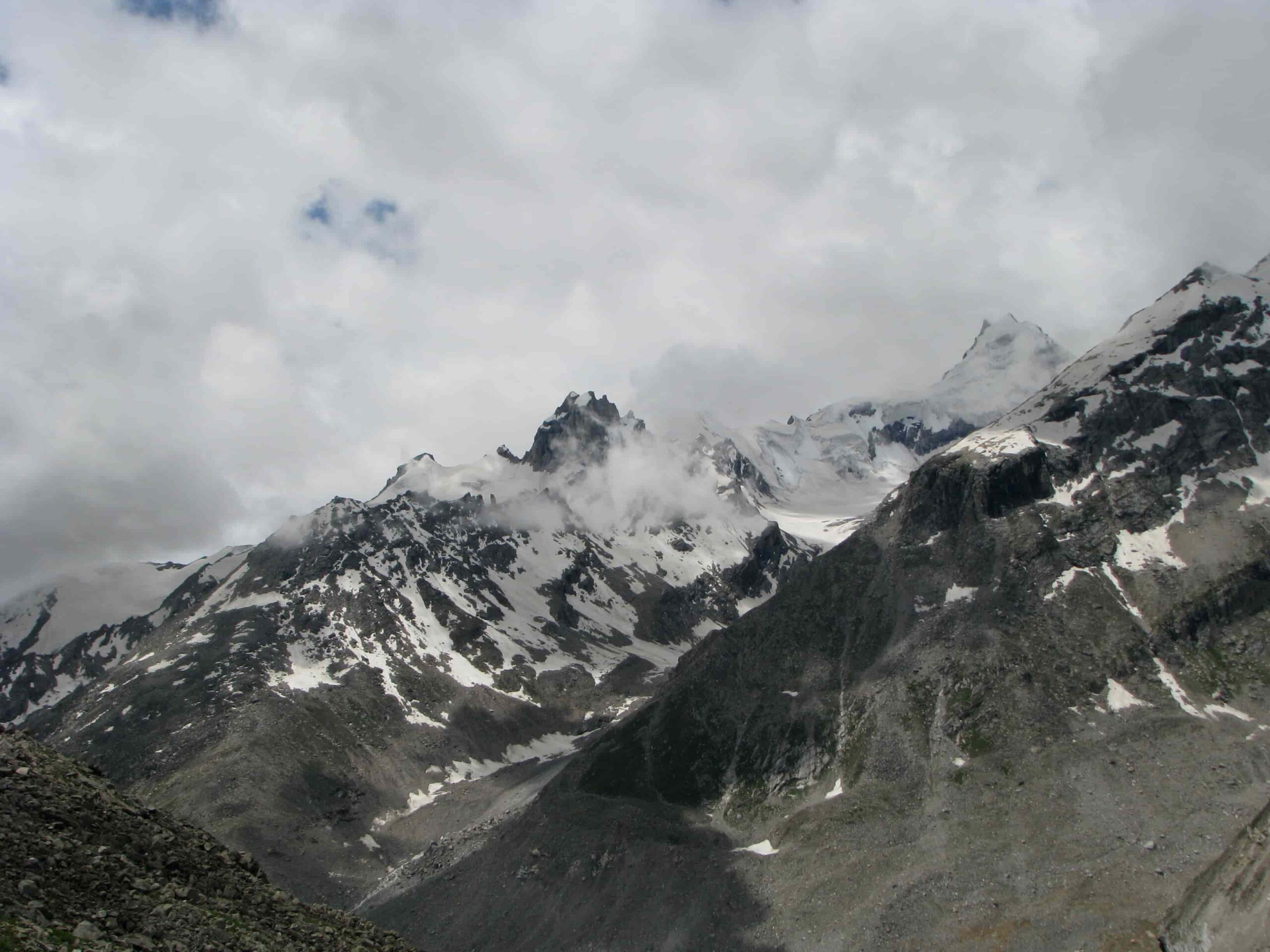
Trekking in the Indian Himalayas Is About More Than Choosing a Trail
Trekking in the Indian Himalayas is often presented as a simple choice between destinations, altitude and number of days. In reality, a Himalayan trek is a much larger undertaking. The route you see on a map is only one part of the experience. Access, weather, road conditions, altitude, permits, local logistics, accommodation, mountain safety and the experience of the team operating on the ground can all influence how a trek actually unfolds.
At Into Wild Himalaya Expeditions, we have been operating Himalayan adventure journeys since 2004. Over the years, our work has taken us across different mountain regions, trekking routes, valleys and high-altitude environments, as well as into the logistics of school groups, private groups, international travellers and specialist mountain programmes.
That experience has taught us something important: there is a significant difference between knowing about a Himalayan trek and actually operating one.
This guide shares some of the practical knowledge we have gained from working in the Indian Himalayas and explains what international travellers, families, schools, experienced trekkers and adventure groups should consider before planning a Himalayan trekking experience. For travellers who are ready to explore specific routes, our Trekking in India programmes provide a starting point for discovering the different landscapes and experiences available across the Indian Himalayas.
The Indian Himalayas Are Not One Trekking Destination
One of the first things to understand is that the Indian Himalayas are not a single trekking environment. Himachal Pradesh, Uttarakhand, Ladakh, Jammu & Kashmir, Sikkim and Arunachal Pradesh each have their own geography, climate, access conditions, cultural landscape and trekking characteristics. Even within Himachal Pradesh, the experience can change dramatically between the Kullu-Manali region, Lahaul, Spiti, Kinnaur and other mountain valleys.
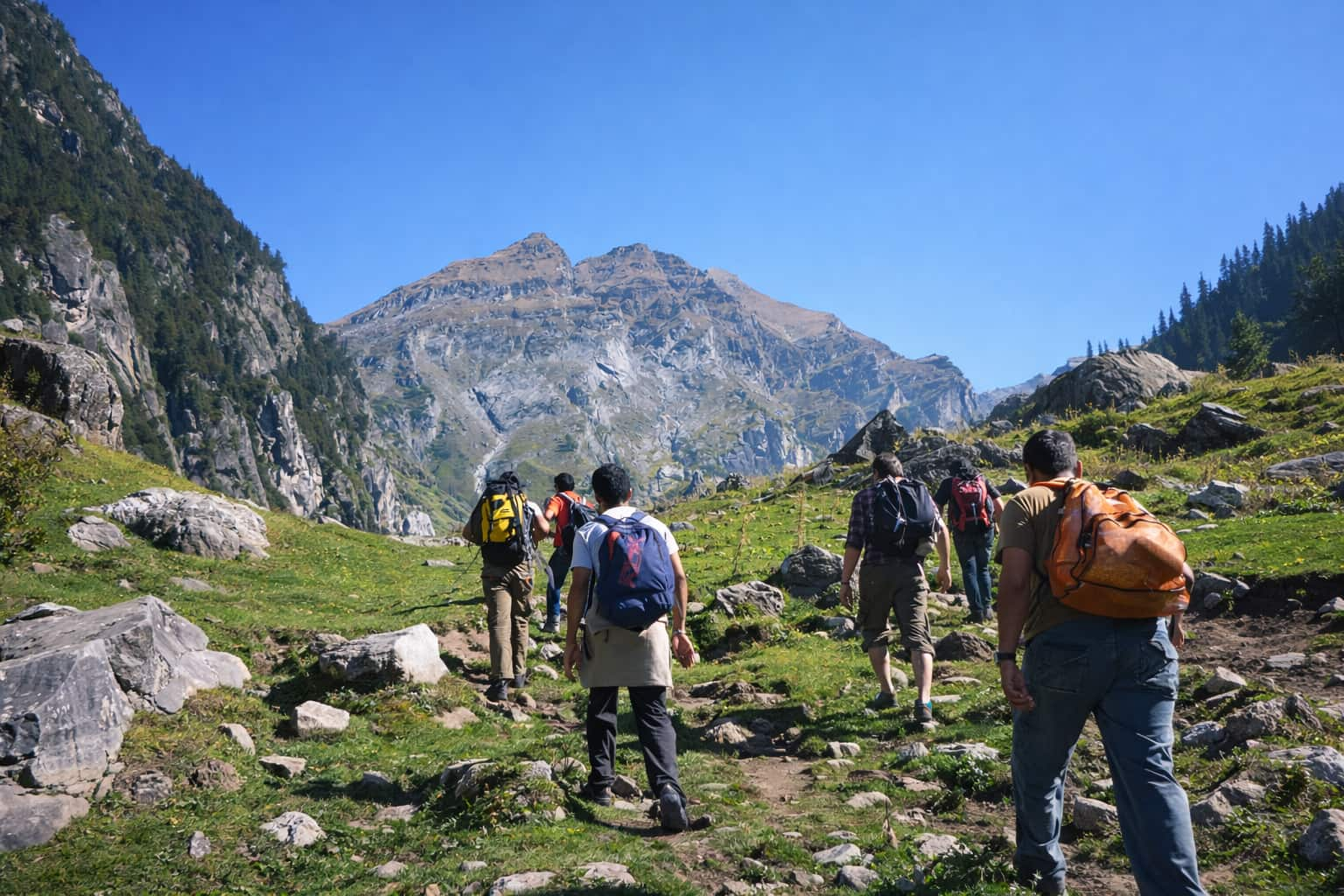
A trek around Manali may involve forest trails, alpine meadows, glacial landscapes and relatively accessible mountain infrastructure. Further into Lahaul or Spiti, the landscape can become much drier and more remote, with fewer services and greater dependence on road access and local logistics. Kinnaur presents another combination of high mountains, villages, forests and traditional Himalayan landscapes, while Ladakh brings a markedly different high-altitude desert environment.
For travellers specifically interested in the region where we have extensive operational experience, our Himachal Pradesh adventure programmes cover a wide range of Himalayan environments, from accessible mountain walks to demanding high-altitude routes.
This regional difference matters when planning a trek. The same itinerary length does not necessarily mean the same level of difficulty, and the same altitude does not necessarily create the same experience.
Route Knowledge Matters More Than a Line on a Map
A trekking route can look straightforward on a map and still be very different on the ground. Mountain trails change. Snow can alter access to passes. Heavy rain can affect lower trails. Landslides can disrupt road approaches. Bridges and local access routes can change. A route that is straightforward during one season may require a different approach at another time of year.

This is why first-hand route knowledge is valuable. When planning a Himalayan trek, our teams consider not only the published route but also how the route connects with roadheads, villages, campsites, water sources, alternative approaches and possible evacuation points. For more remote journeys, understanding where the nearest road access is can be just as important as knowing where the next campsite is.
Travellers looking for a more accessible introduction to the mountains can also explore our day hikes near Manali, where a variety of routes provide opportunities to experience Himalayan landscapes without immediately committing to a remote expedition.
Himalayan Trekking Logistics Begin Before You Reach the Trail
One of the less visible parts of a Himalayan expedition is everything that happens before the trekking actually begins. Depending on the route, logistics can involve transport to and from the roadhead, accommodation before and after the trek, permits and local permissions, equipment movement, staff and support arrangements, food supply and communication planning.
Mountain Roads Are Part of the Expedition
In the Himalayas, getting to the trailhead is often part of the adventure. Road distances can be misleading because travel time depends on mountain terrain, road conditions, weather, traffic, altitude and local circumstances. A journey that appears short on a map may take considerably longer than expected.
For remote treks, we therefore build realistic transport time into the programme rather than assuming that every road journey will operate according to a standard timetable. This becomes particularly important for international groups with fixed flight schedules, school groups with strict movement plans and private travellers connecting several Himalayan regions. The same logistical knowledge also becomes important on our motorcycle expeditions, where mountain roads themselves form an important part of the journey.
Altitude Changes the Way You Plan a Trek
Altitude is one of the most important factors in Himalayan trekking. A trek should not be assessed only by its highest point. The rate of ascent, sleeping altitude, acclimatisation opportunities, previous altitude exposure, daily walking profile and access to lower elevations all influence how a person experiences high altitude. Two treks reaching a similar maximum elevation can therefore feel very different.
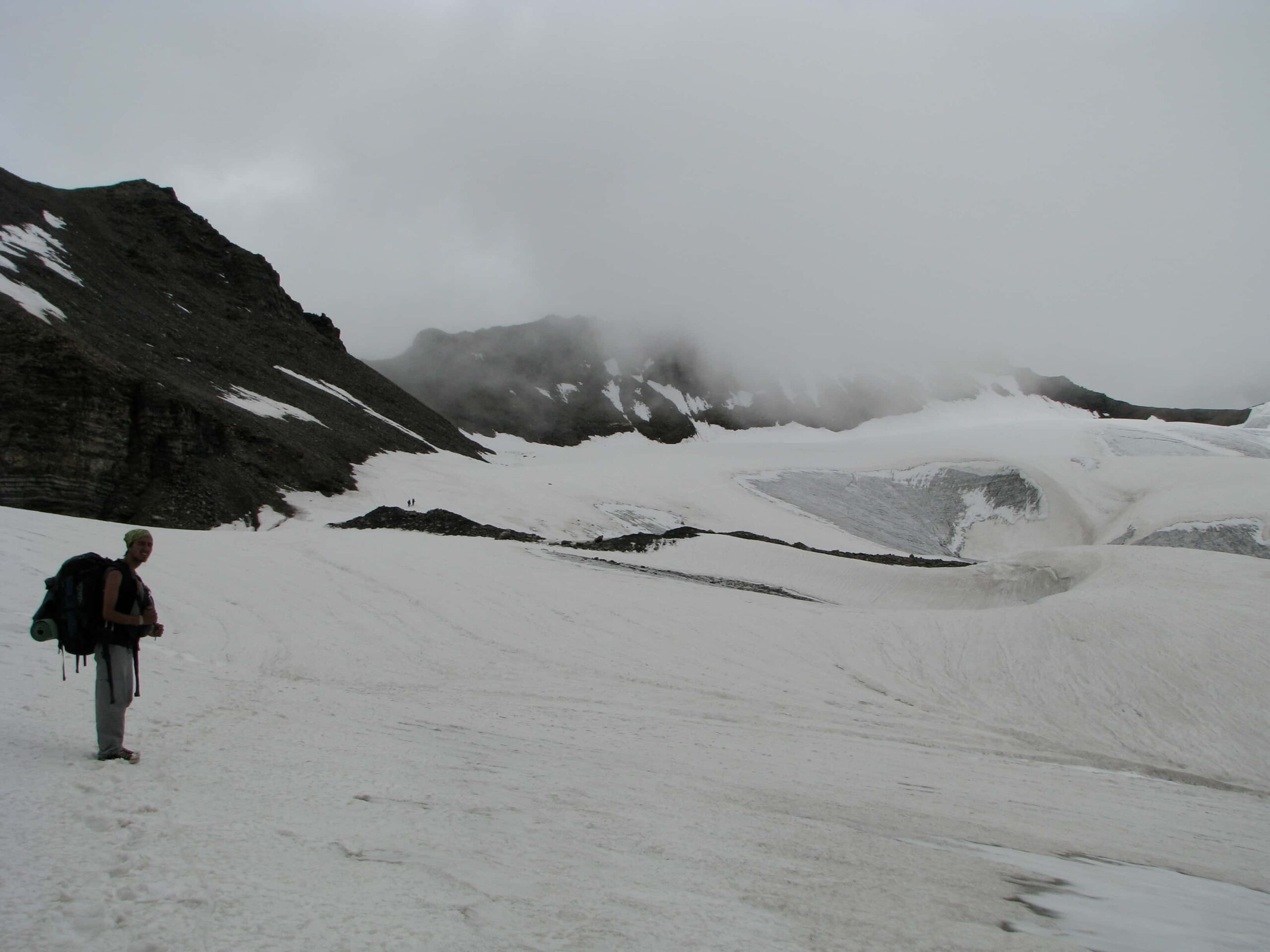
For higher-altitude programmes, we consider acclimatisation as part of the itinerary rather than something added afterwards. The mountain should dictate the pace. This is particularly important when planning programmes for people travelling from sea-level environments who may have little previous experience at altitude.
Weather and Seasons Can Change the Character of a Trek
There is no single “best season” for trekking across the Indian Himalayas. Different regions have different weather patterns. Some areas are strongly affected by the Indian monsoon, while other Himalayan regions sit in rain-shadow zones and can remain comparatively dry during the same period. Snow conditions can also vary considerably from year to year.
For this reason, choosing a trek should begin with the region and season, rather than selecting a famous route first and trying to fit it into a travel date. A good Himalayan itinerary matches traveller → experience → season → region → route, not the other way around.
Permits and Local Regulations Matter
Some Himalayan trekking and expedition areas require permits, registrations or local permissions. Requirements can also vary according to the region, route and type of activity. For international travellers, this is another area where local operational knowledge can simplify the process.
The important point is not simply obtaining a permit. It is understanding which permissions apply to a particular journey and when they need to be arranged. For remote and sensitive mountain regions, regulations can also change, so current requirements should always be checked before departure.
Mountain Safety Starts With Planning
Safety in the Himalayas should not be treated as an emergency procedure that begins when something goes wrong. It begins with itinerary design. Route selection, weather monitoring, altitude management, communications, equipment, local knowledge and contingency planning are all part of mountain safety.
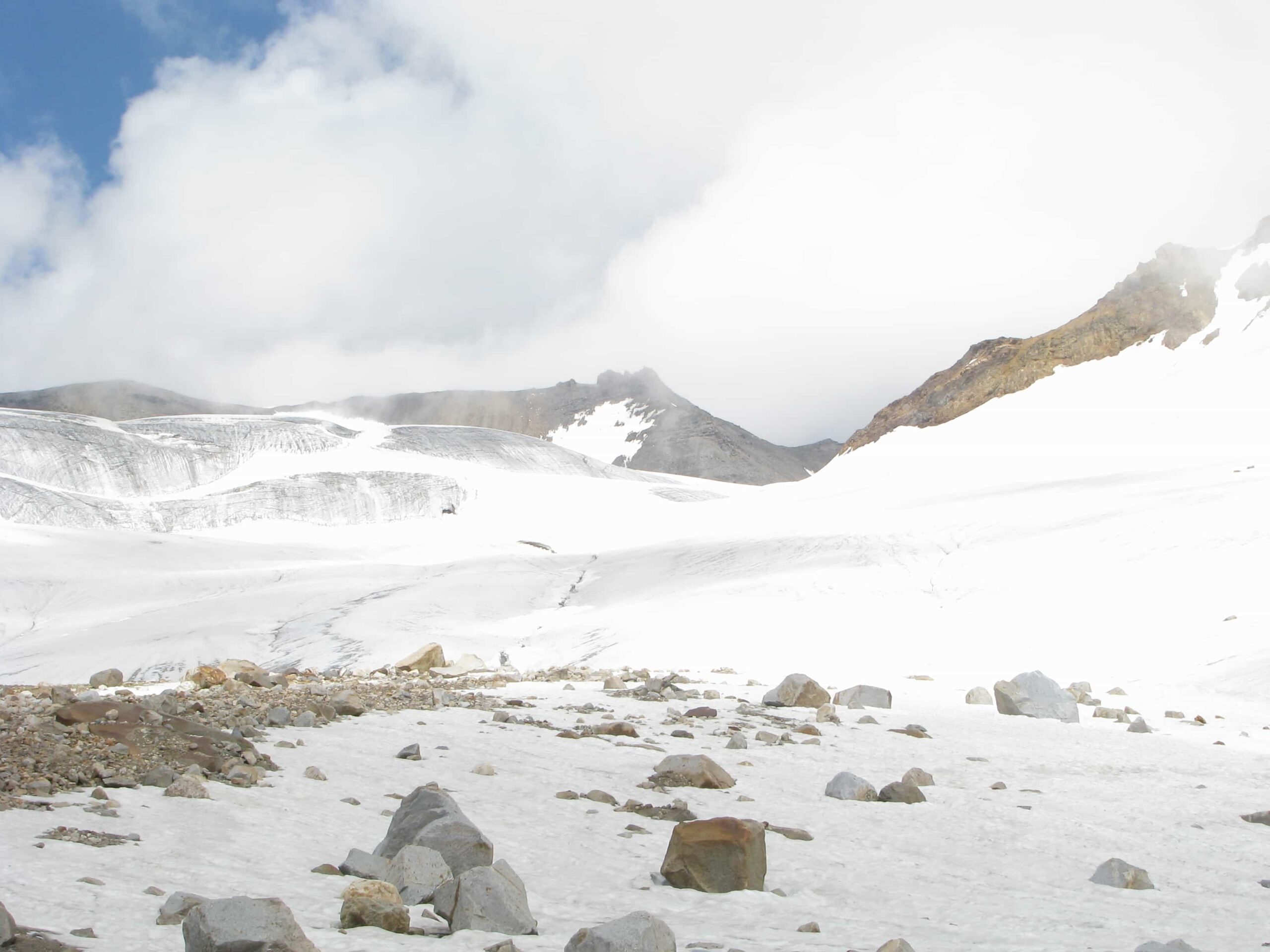
At Into Wild Himalaya Expeditions, our Himalayan operations are supported by trained mountain professionals and safety systems appropriate to the nature of the programme. For higher-altitude expeditions, we can also deploy equipment and procedures designed for high-altitude environments. Our wider mountain operations include experience in mountain rescue and emergency response, which influences the way we assess routes and plan programmes.
The objective is not to eliminate every uncertainty from the mountains. That is impossible. The objective is to understand the risks and prepare appropriately for them.
Rescue Planning Is Different in the Himalayas
One of the most important lessons from operating in remote mountain environments is that an emergency response cannot always work like it does in a city. Road access may be limited. Mobile networks may disappear. Weather may prevent immediate movement. A helicopter may not always be available or able to operate. The nearest medical facility may be several hours away.
Therefore, an expedition plan needs to consider what happens before an emergency occurs. Where possible, teams should know:
- Where road access is available
- Where communication is possible
- Which settlements are nearby
- Where evacuation can begin
- What medical support is available
- How weather could affect evacuation
- What alternative routes exist
This operational thinking is particularly important on remote Himalayan treks and Himalayan expeditions.
Lesser-Known Himalayan Destinations Can Offer a Different Experience
The Indian Himalayas extend far beyond the handful of trekking routes that dominate international search results. Regions such as Lahaul, Miyar Valley, Kinnaur and parts of Spiti contain extraordinary landscapes and significant potential for trekking, climbing and future adventure development. Some routes are already established. Others require more logistical planning and local knowledge.
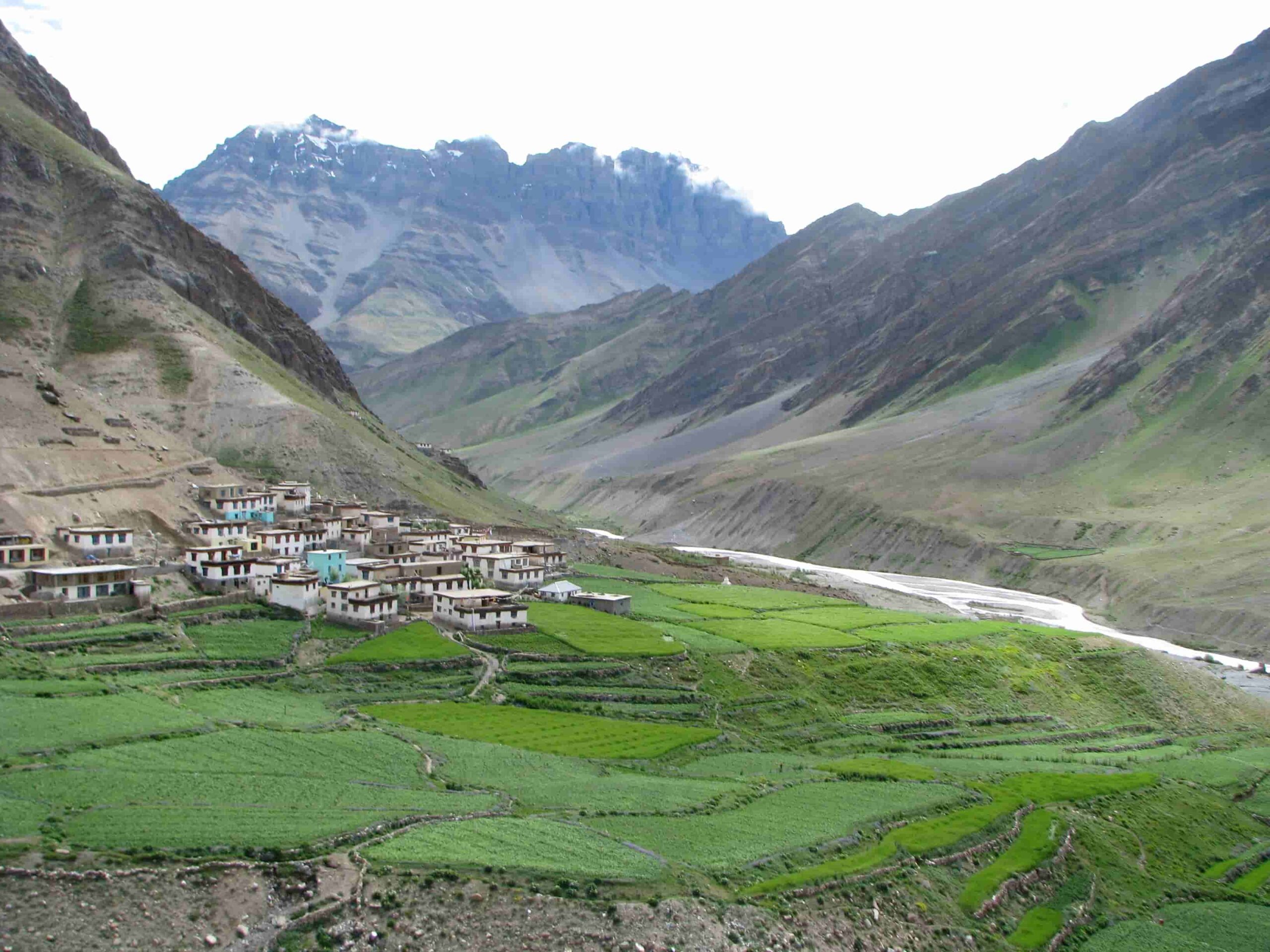
For experienced travellers, this creates an opportunity to explore areas where the experience is less about following a heavily established tourism circuit and more about understanding the landscape and operating responsibly within it. Our role is not to suggest that every remote valley should become a mass tourism destination. In many places, the opposite approach is more appropriate: small groups, responsible access, local partnerships and carefully planned itineraries.
The Indian Himalayas Also Have Significant Climbing Potential
Trekking and climbing often overlap in the Indian Himalayas. A valley that provides access to a trekking route may also contain rock walls, alpine faces, glaciers or peaks with potential for future climbing projects. This is particularly relevant in regions such as Miyar Valley, Lahaul and Kinnaur, where experienced climbers may be interested in exploring beyond established commercial itineraries.
Our Rock Climbing in India programme covers established experiences, while our guide to rock climbing and bouldering in the Indian Himalayas explains where the new-route potential lies. Into Wild Himalaya Expeditions does not need to publish a fixed itinerary for every possible climbing objective to support such exploration. For experienced and professional climbers, we can assist with the practical side of an Indian Himalayan project, including local transport, accommodation, access, logistics, local coordination and expedition planning.
The mountains themselves determine what is possible. Our role is to help make the logistics around that exploration workable.
Ice, Rock and Other Mountain Environments
The Himalayan adventure environment is not limited to trekking. In winter and at higher elevations, valleys around Himachal Pradesh and other Himalayan regions can provide opportunities for ice climbing, technical mountain training and more specialised mountain experiences. These activities require a different level of equipment, technical knowledge and safety planning from conventional trekking.
This is another reason why we approach Himalayan adventure as a connected ecosystem rather than treating every activity as an isolated product. A traveller may begin with trekking and later progress towards climbing, mountaineering or other technical mountain disciplines.
School and College Trekking Requires a Different Approach
Operating a Himalayan trekking programme for a school or college group is fundamentally different from organising a trek for a small group of experienced adults. A school programme has additional requirements around:
- Group movement
- Staff ratios
- Accommodation
- Transport
- Emergency procedures
- Communication
- Dietary requirements
- Safeguarding
- Activity sequencing
- Weather contingencies
- Medical information
- Risk assessment
- Reporting and operational documentation
Our experience working with international school groups has shown us that the success of a school Himalayan programme is not measured only by whether the group reaches a particular viewpoint or campsite. It is also about how smoothly the entire programme operates.
Our school adventure programmes can combine trekking and outdoor learning with activities such as climbing, cycling and other Himalayan experiences, depending on the age, objectives and experience of the group. For schools travelling from overseas, the planning must begin well before the group arrives in India.
Where the Group Stays Matters Too
Accommodation is another part of the operational picture that is sometimes overlooked when planning a Himalayan adventure. For groups travelling through the Manali region, our Into Wild Himalaya Riverside Camp in Manali provides a practical base beside the Beas River, with accommodation and group facilities suited to families, schools, colleges and private adventure groups. We run further adventure camps across Himachal Pradesh in Tirthan Valley and Jibhi.
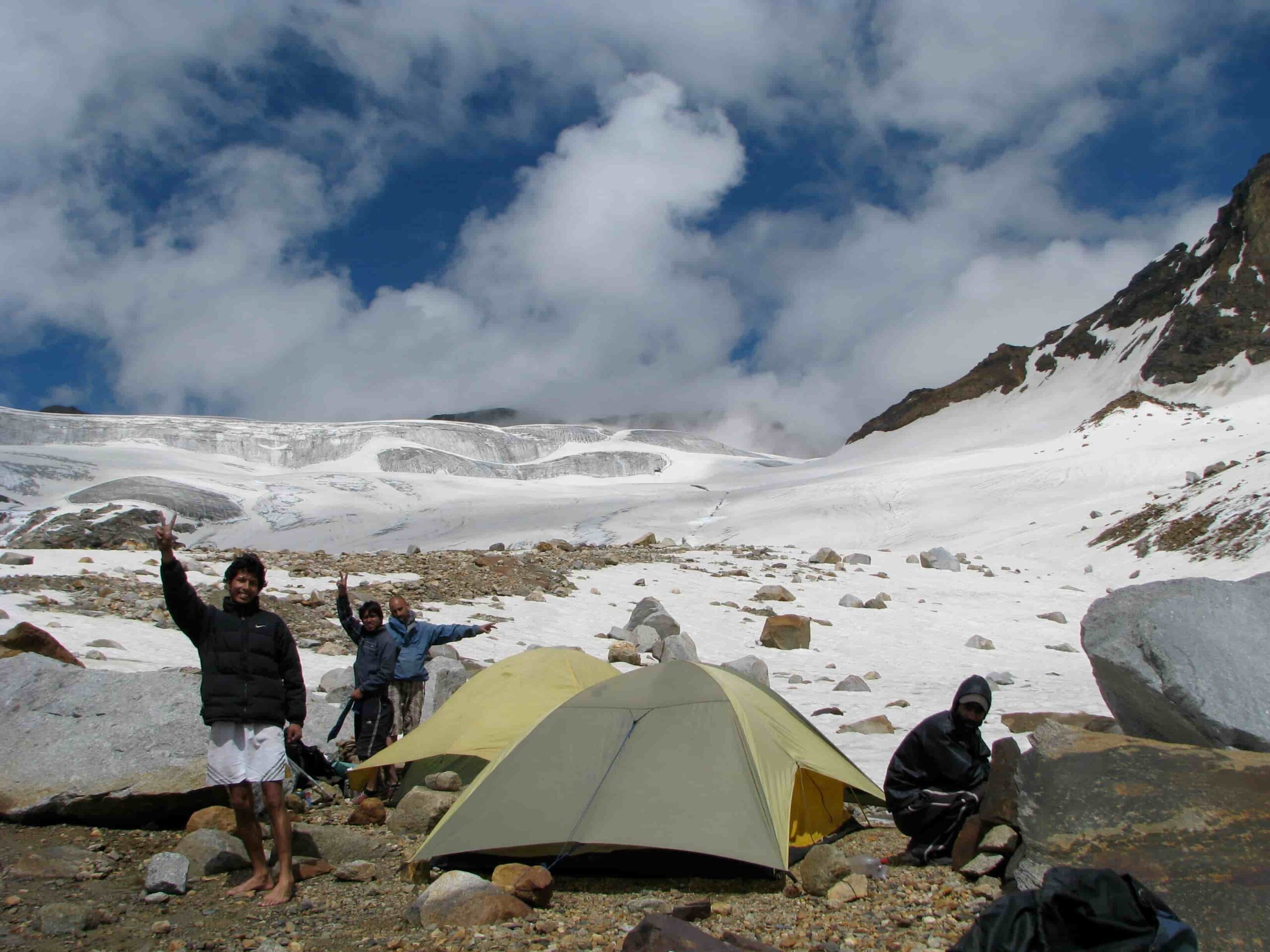
Having an established base can simplify the logistics of arriving in the region, preparing for a trek, conducting outdoor activities and returning from the mountains. It also allows different elements of a programme to be combined rather than treating accommodation, activities and transport as completely separate arrangements.
International Travellers Need a Different Kind of Himalayan Support
For a traveller arriving from the UK, Europe, North America, Australia or another international market, the Himalayas can initially appear difficult to navigate. There are different transport systems, local conditions, languages, road environments, accommodation standards, permits and cultural expectations.
A local Himalayan operator can therefore provide something that an itinerary alone cannot: ground-level operational knowledge. This might mean knowing which roadhead is practical, which local transport arrangement works, where to stay before an expedition, how much time to allow for a mountain road, or when an alternative route should be considered. These details rarely appear in standard destination guides. They are learned by operating in the region.
What We Have Learned After More Than Two Decades in the Himalayas
After years of operating Himalayan journeys, one of the clearest lessons is that there is no single formula for a successful trek. The right experience depends on the individual or group.
- A family may want a shorter Himalayan experience with comfortable accommodation.
- A school may need an educational programme combining trekking and outdoor learning.
- An experienced trekker may want a demanding high-altitude route.
- A professional climber may be looking for access to a remote valley and support for a new project.
These are all Himalayan adventures, but they require very different approaches. That is why we believe in designing the journey around the traveller, the mountain environment and the operational realities of the region.
Exploring the Indian Himalayas With Into Wild Himalaya Expeditions
Into Wild Himalaya Expeditions has been working in the Himalayan adventure environment since 2004, combining local knowledge, mountain operations, logistics and adventure expertise. Our work covers trekking, mountaineering, rock and ice climbing, cycling, motorcycle expeditions, outdoor education and other Himalayan adventure programmes.
For travellers looking for an established trek, our Trekking in India programmes provide structured ways to discover different Himalayan regions. For groups looking for a customised Himalayan experience, we can build the programme around their objectives. And for experienced climbers and explorers interested in lesser-known parts of the Indian Himalayas, we can support the local logistics required to turn an idea into a workable mountain project.
The Indian Himalayas still contain enormous possibilities. Some routes are well known. Some valleys are only beginning to attract international attention. And some of the most interesting future Himalayan adventures may involve places that are not yet found on a standard trekking itinerary. The key is knowing the mountains, understanding the logistics and respecting the environment and communities that make these journeys possible.
Planning a Himalayan trek, a school programme or a custom expedition? Talk to our team about regions, seasons and logistics.
Frequently asked questions about trekking in the Indian Himalayas
There is no single best season. Some regions are strongly affected by the Indian monsoon, while others sit in rain-shadow zones and stay comparatively dry at the same time. Choose the region and season first, then the route, rather than fitting a famous trek into fixed dates.
Some trekking and expedition areas require permits, registrations or local permissions, and requirements vary by region, route and activity. The important part is knowing which permissions apply to your journey and when to arrange them. Regulations change, so always check current requirements before departure.
Difficulty depends on far more than distance or maximum altitude. Rate of ascent, sleeping altitude, daily walking profile, remoteness and access to lower elevations all matter. Two treks reaching a similar height can feel completely different, so treks should be matched to experience rather than itinerary length.
Acclimatisation should be built into the itinerary rather than added afterwards. The rate of ascent, sleeping altitude and rest days matter more than the highest point reached. Travellers coming from sea level with little altitude experience need a slower profile and more acclimatisation time.
The Kullu-Manali region of Himachal Pradesh suits most first-time trekkers. It offers forest trails, alpine meadows and glacial landscapes with relatively accessible mountain infrastructure, so a shorter route or day hike can be attempted before committing to a remote, high-altitude expedition.
Longer than road distance suggests. Travel time depends on mountain terrain, road conditions, weather, traffic and altitude, so a journey that looks short on a map can take considerably longer. Realistic transport time should be built into any programme with fixed flights.
Yes, with a different operating approach. School programmes need planning around group movement, staff ratios, emergency procedures, safeguarding, dietary requirements, medical information and risk assessment. For schools travelling from overseas, planning should begin well before the group arrives in India.
Often, yes. A valley that gives access to a trekking route may also hold rock walls, alpine faces, glaciers or peaks. Regions such as Miyar Valley, Lahaul and Kinnaur suit travellers who want to combine trekking with rock climbing, ice climbing or mountaineering.


