
The short version: pack a three layer clothing system, footwear you’ve already worn in, proper sun protection, and a sleeping bag rated colder than you think you need. Then adjust for the season. Most of what goes in your bag stays the same all year. What changes between May and October is how much insulation you carry, how warm the sleeping bag is, and how seriously you take the waterproofs.
Nearly every packing list online is just a shopping list. This one explains why each thing is on it, what your operator will already be carrying, and which mistakes actually end people’s treks.
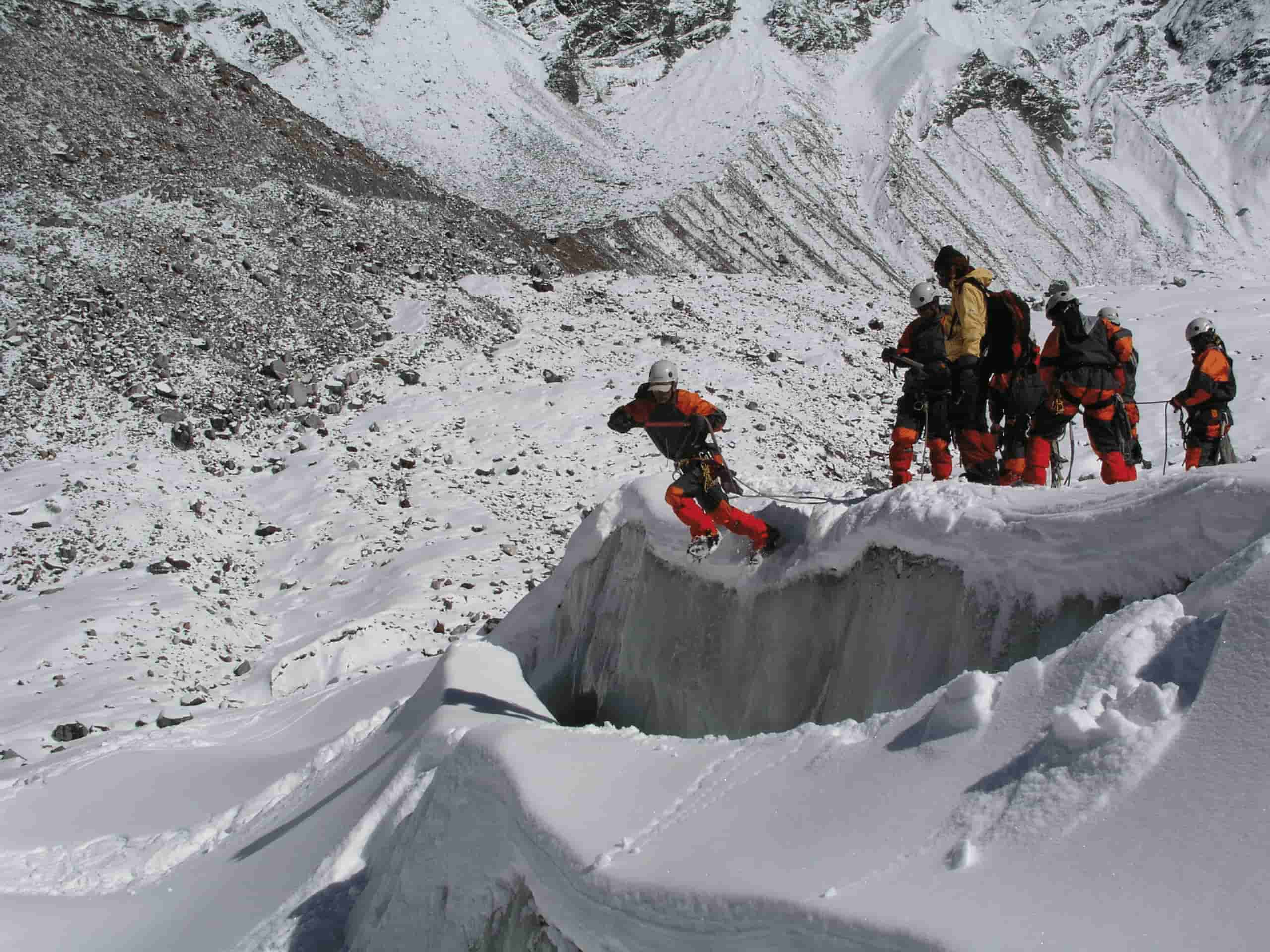
Start With the Layering System, Not the Shopping List
Himalayan weather isn’t one temperature. In a single day you might walk in a t shirt at midday, pull a jacket on at a pass, and then need everything you own the moment you stop at camp.
Four layers cover almost anything the mountains throw at you:
| Layer | What it does | Examples |
|---|---|---|
| Base | Moves sweat off your skin | Merino or synthetic thermal top and bottoms |
| Mid | Traps warm air while you move | Fleece, or a light down or synthetic jacket |
| Insulation | Keeps you warm once you stop | Down jacket, mostly worn at camp |
| Shell | Blocks wind and rain | Waterproof jacket and overtrousers |
One rule matters more than any brand: no cotton. It soaks up sweat, stops insulating the moment it’s wet, and takes forever to dry. A cotton t shirt feels fine while you’re walking. At 4,000 m it turns into a cold wet layer as soon as you stand still.
The Core Kit You Carry in Every Season
This part barely changes whether you trek in May or October.
Clothing
- 2 thermal base layer tops, 1 pair of base layer bottoms
- 2 trekking t shirts, synthetic or merino
- 1 fleece or light insulated mid layer
- 1 down or synthetic insulated jacket
- Waterproof jacket with a hood
- Waterproof overtrousers
- 2 pairs of trekking trousers, not jeans
- 3 or 4 pairs of trekking socks
- Underwear, synthetic or merino
- Warm hat, plus a sun hat or cap
- Liner gloves and warm outer gloves
- Buff or neck gaiter
Footwear
- Trekking boots with ankle support, already worn in
- Camp shoes or sandals
- Gaiters if there’s snow or scree
Sleeping
- Sleeping bag to suit the season, covered below
- Sleeping bag liner, which adds warmth and keeps the bag clean
- Head torch, plus spare batteries
Health and sun
- Sunglasses, category 3 or 4
- SPF 50 sunscreen and lip balm with SPF
- Personal medication and a small first aid kit
- Water bottles or a bladder, 2 to 3 litres in total
- Purification tablets or a filter
Documents and the rest
- Passport, visa, permits, insurance details
- Trekking poles
- Dry bags or bin liners to waterproof what’s inside your pack
- Power bank
- Toilet paper, and a small trowel or sealable bag
Season by Season: What Actually Changes
Three things change with the season. How much insulation you carry, how warm your sleeping bag needs to be, and how much rain you’re planning for. The rest stays roughly where it is.
| Season | Months | Conditions | Add to the core kit |
|---|---|---|---|
| Spring | March to May | Snow still on the passes, cold nights, bright days | Gaiters, warmer sleeping bag, microspikes if we advise them |
| Early summer | May to June | Warmest trekking, long days, thaw underfoot | Lighter insulation, extra socks for wet trail |
| Monsoon | July to August | Heavy rain in Himachal and Uttarakhand. Rain shadow areas stay dry | Full waterproofs, pack cover, dry bags, leech socks in forest |
| Autumn | September to October | Clearest skies, settled weather, cold nights | Warmer down jacket, winter rated sleeping bag, thicker gloves |
| Winter | November to February | Snow treks, severe cold, short days | Expedition down jacket, insulated boots, balaclava, double gloves, bag rated to minus 20°C |
One regional point most lists miss. During the monsoon, Himachal and Uttarakhand get soaked. Ladakh, Zanskar, Spiti and the Lahaul side sit in the rain shadow and stay comparatively dry, which makes July and August their main trekking season. So “don’t trek in the monsoon” is wrong. It depends entirely which side of the range you’re on.
Sleeping Bags: Where Most People Get It Wrong
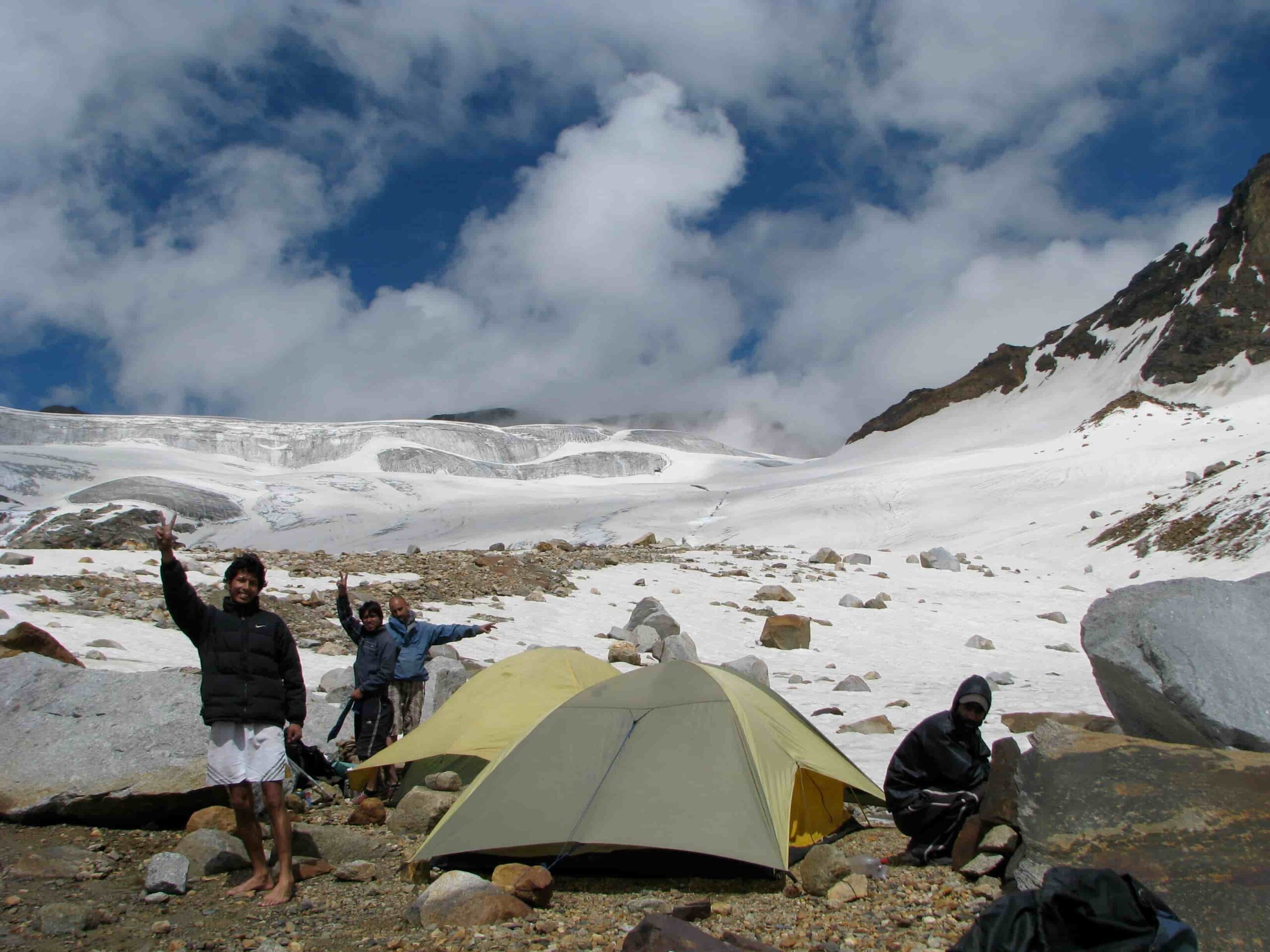
The most common packing mistake on Himalayan treks is a sleeping bag that isn’t warm enough.
You’ll be sleeping at altitudes where the temperature drops well below freezing at night, even in summer. A bag that’s perfectly comfortable on a European campsite will not be comfortable at 4,200 m in October.
| Trek type | Suggested comfort rating |
|---|---|
| Low altitude summer trek, under 3,500 m | 0°C to minus 5°C |
| Standard high altitude trek, 3,500 to 4,500 m | Minus 10°C |
| Autumn or high pass trek above 4,500 m | Minus 15°C |
| Winter or snow trek | Minus 20°C or colder |
Two things to check. Bags are usually quoted with both a comfort rating and a limit rating, and the comfort figure is the one to go by. And a liner buys you a few degrees for almost no weight, which makes it the cheapest upgrade available.
Plenty of operators, us included, provide sleeping bags on camping treks. Ask what the rating is before you decide whether to bring your own.
Footwear: The One Thing Worth Obsessing Over
Feet end more Himalayan treks than fitness does.
- Wear your boots in. At least 40 to 50 km of walking before you fly. New boots on day one of a 19 day trek is a problem waiting to happen.
- Ankle support earns its keep on loose moraine, river crossings and scree descents.
- Size up slightly. Feet swell at altitude and on long descents, and it’s your toenails that pay if there’s no room.
- Socks aren’t an afterthought. Merino or synthetic trekking socks, changed regularly, prevent most blisters.
- Carry blister treatment and use it when you feel a hot spot, not after the skin has gone.
Camp shoes matter more than people expect. After nine hours in boots, being able to get them off makes a real difference to how you feel the next morning.
What We Provide and What You Bring
Settle this before you buy anything. On our supported camping treks, our side covers:
- Tents and group camping equipment
- Sleeping bags and mattresses on most itineraries
- Every meal on trek, plus the cooking equipment
- Permits and documentation
- Guides, cooks and support staff
- Group first aid and emergency equipment
- Pack transport by mule or porter where the itinerary includes it
Yours is the personal side: clothing, footwear, sunglasses, medication, documents, and anything you want to be certain fits you properly.
Two questions to ask before you pack:
- Is the sleeping bag provided, and what’s its comfort rating?
- Is my main bag carried, or am I carrying everything?
The second answer changes your packing completely. If mules or porters take your duffel, you walk with a 20 to 30 litre daypack. If you carry the lot, every item has to justify its weight.
How Heavy Should Your Pack Be?
| Setup | Typical weight |
|---|---|
| Daypack, when a duffel is carried for you | 6 to 9 kg |
| Full pack on a trek where you carry everything | 12 to 18 kg |
| Duffel handed to mules or porters | Usually capped by the operator. Ask the limit |
Most operators set a weight limit on the bag that gets carried for you. Find out what it is, because the morning of departure is a bad time to discover you’re over it.
Altitude Changes What You Need
Three consequences that affect what goes in the bag.
The sun is stronger. UV intensity climbs with altitude, and snow reflects it straight back at you. Category 3 or 4 sunglasses stop being a luxury above 3,500 m. Snow blindness is a real risk. Sunscreen and lip balm live in your pocket, not at the bottom of your pack.
You dehydrate faster. Dry air and harder breathing mean you lose more fluid than you expect. Carry 2 to 3 litres of capacity and a way to purify refills.
Cold hits harder when you’re tired. Thin air, long days and broken sleep all lower your tolerance. The down jacket you packed thinking it was excessive is the one you’ll wear every evening.
CDC guidance makes the point that physical fitness doesn’t determine who gets acute mountain sickness. Rate of ascent and sleeping altitude matter more. Being fit is not the same as being equipped.
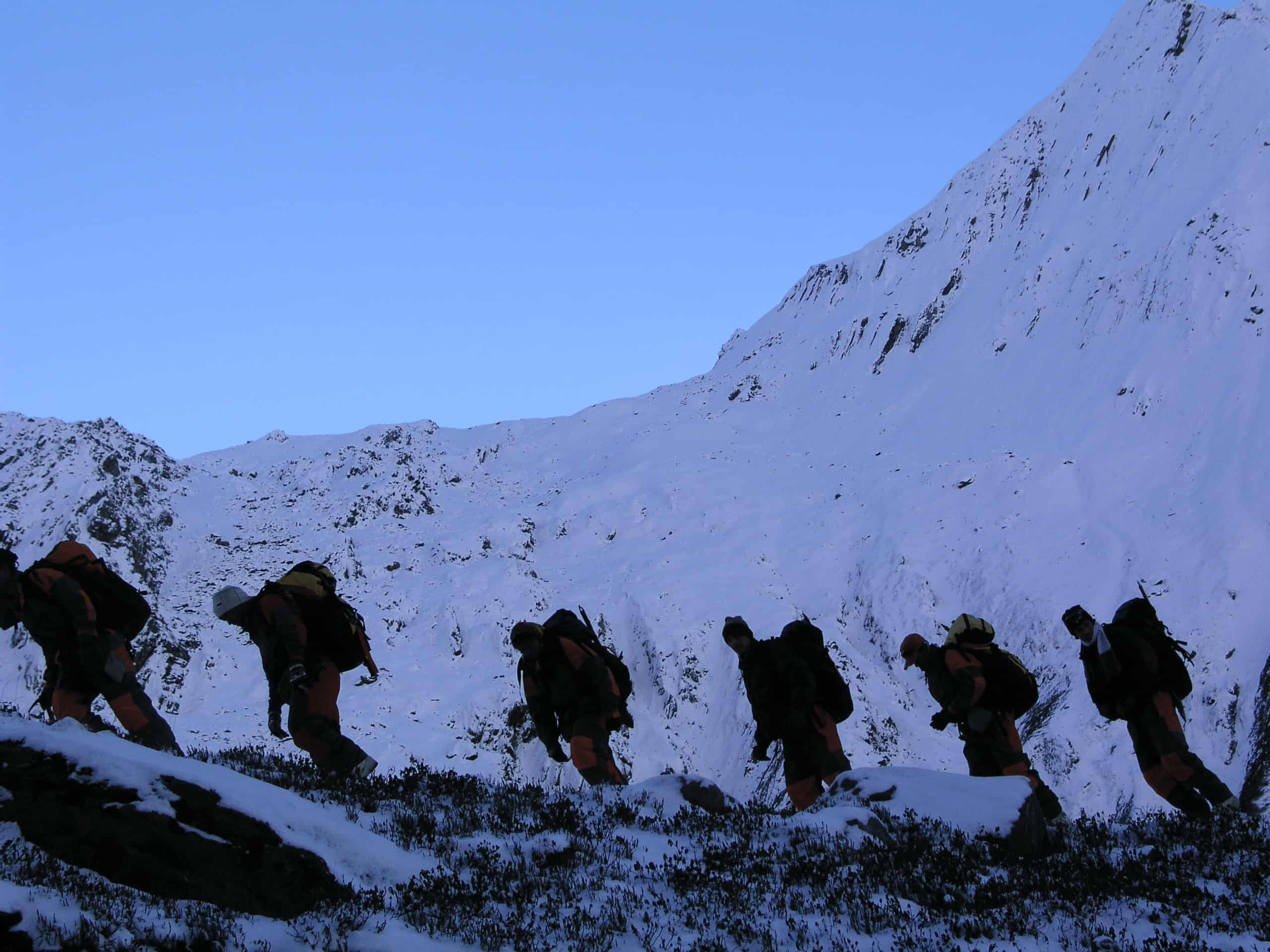
Six Mistakes That Actually Ruin Treks
- Cotton clothing. Wet, cold, slow to dry. The most common error and the easiest to avoid.
- New boots. Blisters on day two of a fortnight finish the trip for some people.
- A sleeping bag rated for the daytime. You’re warm while you walk. The nights are the problem.
- Skipping rain gear because the forecast looks dry. Himalayan weather turns inside a few hours.
- Overpacking. Every spare kilo goes over every pass with you.
- Sun protection buried in the duffel. You need it all day, not at camp.
What You Can Leave at Home
- Jeans and cotton t shirts
- More than two pairs of trekking trousers
- Heavy books. Bring a reader or nothing
- A full wash kit. A small bar of soap, a toothbrush and a towel that dries fast will do
- Valuables and jewellery
- A drone, unless you’ve checked the permissions for that specific region
Planning Your Trek
Into Wild Himalaya Expeditions has run guided Himalayan treks since 2004, across Himachal Pradesh, Ladakh, Spiti and Zanskar. Everyone who books gets an equipment list built for their itinerary, because a 19 day crossing and a day hike out of Manali are not the same packing problem.
See our trekking programmes, or talk to our team about your dates and what the route will actually need.
Frequently Asked Questions
What Should I Pack for a Himalayan Trek?
A three layer clothing system of base, mid and insulation, a waterproof shell, trekking boots you’ve worn in, a sleeping bag suited to the season, sun protection, 2 to 3 litres of water capacity, trekking poles, a head torch and personal medication. Operators usually provide tents, meals and often sleeping bags.
How Cold Does It Get on a Himalayan Trek?
Above 4,000 m, night temperatures fall below freezing in every season. Autumn and winter nights at high camps can reach minus 10°C or colder, which is why sleeping bag rating matters more than any other single item.
Do I Need a Down Jacket for a Summer Himalayan Trek?
Yes, for evenings and early mornings at camp. June days can be warm while you’re walking, but the temperature drops the moment you stop moving at altitude.
Can You Trek in the Himalayas During the Monsoon?
In the rain shadow regions, yes. Ladakh, Zanskar, Spiti and parts of Lahaul stay comparatively dry through July and August, which is their main trekking season. Himachal and Uttarakhand get heavy rain and landslide risk in the same months.
How Heavy Should My Backpack Be?
Six to nine kilograms for a daypack when a duffel is carried for you, twelve to eighteen if you carry everything yourself. Most operators cap the weight of the bag that mules or porters take, so confirm it before you pack.
Do I Need Trekking Poles?
Strongly recommended. Poles take load off your knees on descents, improve balance on loose ground and help at river crossings. Trekkers who skip them on the way up tend to wish they hadn’t on the way down.
What Sleeping Bag Rating Do I Need?
Around minus 10°C comfort rating for a standard high altitude trek, minus 15°C for autumn or passes above 4,500 m, and minus 20°C or colder for winter. Go by the comfort rating rather than the limit, and add a liner for extra warmth.
Is Equipment Provided on a Guided Trek?
Tents, group camping equipment, meals, permits and usually sleeping bags and mattresses are provided on supported camping treks. Clothing, footwear, sunglasses, medication and documents are yours to bring.
What Should I Not Bring on a Himalayan Trek?
Cotton clothing, boots you haven’t worn in, jeans, heavy books, valuables, and anything you’re taking just in case. At altitude, every spare kilo goes over every pass.
How Do I Protect Against Sun at Altitude?
Category 3 or 4 sunglasses, SPF 50 sunscreen reapplied through the day, lip balm with SPF, and a hat with a brim. Snow reflects UV, so protection matters most on the days that feel coldest.


